


Do cavities smell like poop? While cavities themselves do not directly emit a fecal odor, they can cause bad breath that sometimes smells unusually foul, including a scent that people describe as similar to poop. This happens because cavities create spaces where odor-causing bacteria thrive, producing sulfur compounds that lead to unpleasant breath. Understanding this connection is important for identifying and treating dental issues early. In this article, nhakhoahome will explore why cavities cause bad breath, how to recognize the symptoms, and what to do to prevent and treat cavity-related odors for healthier, fresher breath.
NỘI DUNG
What Are Cavities?
A cavity, also known as tooth decay or dental caries, is a small hole or structural damage that forms in a tooth due to the destruction of its hard outer layer called enamel. This process occurs when bacteria in the mouth produce acids that erode the enamel, often triggered by frequent consumption of sugary or starchy foods. Understanding what cavities are, their causes, and early symptoms is crucial for maintaining good oral health and preventing complications like infection or persistent bad breath.
Causes of Cavities
The primary cause of cavities is the buildup of dental plaque, a sticky film of bacteria that forms on teeth after eating. These bacteria, such as Streptococcus mutans, feed on sugars in the diet and produce acids that gradually wear down the tooth enamel. Poor oral hygiene allows plaque to harden into tartar, making it harder to remove and creating an environment for further bacterial growth. Additional risk factors include dry mouth (which reduces saliva’s natural protective effects), irregular brushing and flossing, and a diet high in simple sugars. Long-term exposure to acids leads to tooth decay, creating the dreaded cavities.
Symptoms of Cavities
Cavities may begin without noticeable symptoms, making regular dental checkups vital. Common signs include:
- Tooth sensitivity: A sharp or mild pain when consuming hot, cold, or sweet foods, signaling early enamel damage.
- Toothache or persistent pain: Indicates that the decay has advanced and may be reaching the inner layers of the tooth.
- Visible holes or pits: Small openings on the tooth’s surface that can trap food and bacteria.
- Discolored tooth spots: Brown, black, or white spots that show enamel demineralization.
- Bad breath or unpleasant taste: Caused by bacterial activity in the decayed areas, contributing to halitosis (bad breath).
- Swelling or infection: In severe cases, the infection can spread, causing gum swelling, pain, or even abscess formation.
How Cavities Affect Oral Health
If left untreated, cavities allow bacteria to penetrate deeper layers of the tooth, including dentin and pulp, where nerves and blood vessels reside. This can cause significant discomfort and complications such as tooth abscesses or even tooth loss. Cavities also contribute to persistent bad breath from tooth decay, as the bacteria emit foul-smelling gases, some of which resemble the smell of poop or sulfur compounds. Early detection and treatment are essential to prevent these outcomes.
Treatment and Prevention of Cavities
Managing cavities involves a combination of good oral hygiene practices and professional dental care. Daily brushing with fluoride toothpaste, flossing to remove plaque between teeth, and reducing sugary food intake help prevent cavity formation. Regular visits to the dentist for cleanings and checkups ensure early detection. If a cavity develops, treatments range from simple fillings to more extensive procedures like root canals in advanced cases. Maintaining these habits also helps combat bad breath caused by cavities.
Can Cavities Actually Smell Like Poop?
When asking the question “do cavities smell like poop?,” the direct answer is no, cavities themselves do not smell like poop, but they can cause bad breath that some people describe as similarly foul or sulfur-like. This unpleasant odor comes not from the cavity itself but from the bacteria and decay inside the cavity producing volatile sulfur compounds and other malodorous gases. Understanding this distinction is key to properly recognizing the causes of bad breath linked to tooth decay.
Why Cavities Don’t Smell Like Poop Directly
A cavity is essentially a hole in the tooth formed by the destruction of enamel due to acid-producing bacteria feeding on sugars. The cavity itself, which is just a structural defect, is odorless. The odor arises because within the cavity, bacteria thrive in the low-oxygen environment, decomposing food particles and dead tissues and creating foul-smelling gases such as hydrogen sulfide and methyl mercaptan. These gases often smell rotten, sometimes described as sulfur or similar to feces, but it is important to know that it’s the byproducts of bacteria—not the cavity as a physical structure—that cause this.
The Science Behind Cavity Odor and Bad Breath
The bad breath from cavities is medically referred to as halitosis. The main contributors to this unpleasant smell are anaerobic bacteria that generate volatile sulfur compounds (VSCs) during their metabolic processes. These compounds are known for their nasty odors, resembling rotten eggs or sometimes fecal matter in intensity. Additionally, the presence of food debris trapped within cavities fuels bacterial fermentation, which amplifies the offensive smell. This combination can make a person’s breath smell like poop even though the cavity itself is odorless.
Other Causes of Fecal-Like Breath Odor
Though cavities can indirectly contribute to foul breath, other medical conditions may lead to a breath that smells like poop, including:
- Poor oral hygiene and plaque buildup
- Gum disease and oral infections
- Sinus infections or postnasal drip
- Gastrointestinal disorders such as GERD (acid reflux) or bowel obstruction
If the odor persists despite treating dental issues, it is important to investigate these other causes.
Can Treating Cavities Improve Bad Breath?
Yes, treating cavities by removing decayed tissue and filling the holes can reduce the spaces where bacteria grow, thereby improving bad breath caused by tooth decay. Good oral hygiene, regular dental visits, and professional cleanings help manage bacterial growth and minimize foul breath odors related to cavities.
Other Causes of Bad Breath That Smells Like Poop
While cavities can contribute to bad breath, there are several other common causes of breath that smells like poop. These causes range from poor dental hygiene to serious medical conditions involving the digestive system. Understanding these can help identify the root cause and seek appropriate treatment.
Poor Oral Hygiene
One of the most common reasons for bad breath that smells like poop is poor oral hygiene. When teeth are not brushed and flossed regularly, plaque and bacteria accumulate, breaking down food particles and releasing foul-smelling gases. This bacterial buildup can cause halitosis, including odors reminiscent of feces. Neglecting oral hygiene also increases risk for gum disease and tooth decay, both of which worsen breath odor.
Gastrointestinal Issues
Certain gastrointestinal disorders are known to cause breath that smells like feces. Conditions such as gastroesophageal reflux disease (GERD) allow stomach acid and undigested food to flow back into the esophagus, contributing to a foul breath odor. More serious issues like bowel obstruction cause waste buildup and fermentation in the intestines, releasing gases that can make breath smell strongly of feces. If a persistent fecal odor on breath occurs, it’s crucial to consult a healthcare provider to rule out these digestive issues.
Infections and Inflammation
Infections in the oral cavity or elsewhere in the body can lead to bad breath with a fecal smell. Oral infections such as periodontitis or a tooth abscess lead to bacterial overgrowth and volatile sulfur compound production. Additionally, sinus infections and related postnasal drip can cause a foul odor as mucus containing bacteria travels down the throat. Respiratory infections like bronchitis may also contribute to bad breath. Systemic infections affecting digestive or respiratory tracts may manifest through unpleasant breath odors.
Diet and Lifestyle Factors
What you eat and your lifestyle habits can heavily influence breath odor. Diets high in protein and low in carbohydrates are sometimes associated with breath that smells like poop due to the production of ketones and sulfur compounds during metabolism. Consuming strong-smelling foods like garlic and onions temporarily affects breath. Smoking and alcohol consumption introduce chemicals that cause halitosis and exacerbate odor problems. Proper dietary choices and lifestyle adjustments can significantly improve breath freshness.
See more: Bentonite Clay for Cavities: Natural Tooth Remineralization and Oral Detox
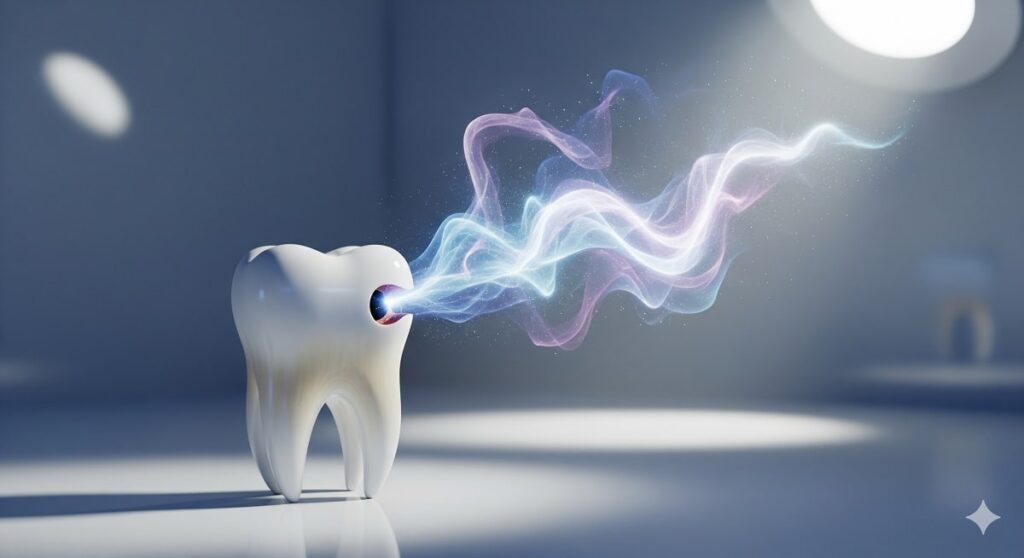
Signs You Might Have a Cavity
Early detection of cavities is crucial to prevent further tooth damage and complications such as infection or persistent bad breath. Recognizing the common signs of a cavity can help individuals seek timely dental care. This section outlines the most telling symptoms and indicators that may suggest the presence of tooth decay or a developing cavity.
Tooth Sensitivity to Hot, Cold, or Sweet Foods
One of the earliest signals of a cavity is tooth sensitivity, especially to hot, cold, or sweet foods and drinks. This occurs because the enamel protecting the tooth starts to wear away, exposing the underlying dentin—a sensitive layer with tiny tubules connected to nerve endings. When these tubules are exposed, even minor temperature changes or sugary substances can trigger discomfort or sharp pain. This lingering sensitivity is a strong indicator of early tooth decay or a developing cavity.
Persistent Toothache or Pain
A consistent toothache, ranging from mild to severe, often indicates a growing cavity that needs attention. The pain might be spontaneous or triggered by activities like eating or biting down on food. This discomfort usually results when the decay reaches the inner layers of the tooth, affecting the pulp where nerves and blood vessels reside. Persistent pain that does not resolve on its own suggests an advanced cavity and should prompt immediate dental consultation.
Visible Holes, Pits, or Dark Spots on Teeth
A physical sign of a cavity can be visible holes, pits, or dark spots on the surface of teeth. These marks usually represent areas where enamel has been eroded by bacterial activity creating an entry point for further decay. Dark brown, black, or even white spots may appear and warrant a dental checkup. Early detection through visual signs helps in timely treatment, curbing further tooth damage.
Bad Breath or Unpleasant Taste
Another common symptom linked to cavities is bad breath or a persistent unpleasant taste in the mouth. This happens because the cavity allows bacteria to colonize deeper within the tooth, producing sulfur-containing compounds that cause foul odors. If freshening breath with brushing and mouthwash doesn’t help, persistent bad breath could be a clue to hidden cavities or tooth decay.
Pain or Discomfort While Eating
Experiencing pain or discomfort while eating, particularly when biting down or consuming sticky, sugary foods, can be a sign of cavities. This pain is caused by the pressure exerted on weakened tooth enamel or exposed dentin. Noticing discomfort during meals can help identify potential decayed areas needing dental attention.
See more: Black Seed Oil for Tooth Infection: Natural Relief & Care
How to Prevent and Treat Bad Breath from Cavities
Managing bad breath caused by cavities requires a combination of preventative measures and professional treatment. By adopting good oral care habits and seeking timely dental intervention, it is possible to reduce foul odors and maintain fresh breath. This section will walk through effective strategies for both prevention and treatment of cavity-related bad breath.
Maintain a Consistent Oral Hygiene Routine
The first and most important step to prevent bad breath from tooth decay is a thorough oral hygiene regimen. Brushing twice daily with fluoride toothpaste removes plaque and bacteria on the teeth and gums. It is equally important to floss daily to clean between teeth where a toothbrush cannot reach. Don’t forget to gently brush or scrape the tongue, as bacteria also accumulate there causing unpleasant odors. Using an antimicrobial mouthwash can further reduce bacterial populations, targeting the root cause of halitosis.
Regular Dental Checkups and Cavity Treatment
Professional care is essential for diagnosing and treating cavities before they cause persistent bad breath. Regular dental visits include comprehensive examinations and dental X-rays that spot early decay. When a cavity is detected, a dentist will remove decayed tissue and restore the tooth with a filling or other appropriate treatment such as root canal therapy. Treating cavities stops the bacterial growth inside the damaged tooth and eliminates associated bad odors.
Dietary Changes to Support Oral Health
What you eat greatly influences the development of cavities and breath odor. Reducing consumption of sugary and acidic foods helps prevent further enamel erosion and bacterial growth. Opting for a diet rich in fresh vegetables, fruits, lean proteins, and whole grains promotes healthier teeth and saliva flow. Staying well-hydrated by drinking water throughout the day helps wash away food particles and bacteria, minimizing the chance for bad breath.
Additional Tips to Control Bad Breath Temporarily
While prevention and treatment take time, some quick measures can help mask or reduce bad breath tied to cavities:
- Chewing sugar-free gum stimulates saliva, a natural cleanser that neutralizes acids and bacteria.
- Using a tongue scraper removes odor-causing bacteria from the tongue’s surface.
- Rinsing with salt water or antiseptic mouthwashes can help temporarily reduce bacterial load.
- Avoiding tobacco products and alcohol helps prevent dry mouth, which can exacerbate bad breath.
When to See a Dentist
Knowing when to see a dentist is vital for preventing minor dental issues from becoming severe problems. Timely dental visits help diagnose and treat cavities and other oral conditions early, stopping complications such as bad breath from tooth decay, infections, and tooth loss.
Persistent Toothache or Severe Pain
If you experience a persistent toothache or severe pain that doesn’t improve with over-the-counter remedies, it’s important to visit a dentist promptly. Such pain often indicates advanced tooth decay, dental infection, or even a cracked tooth. Early professional diagnosis can prevent worsening damage and relieve discomfort quickly.
Noticeable Sensitivity to Hot, Cold, or Sweet Foods
Sudden or increasing teeth sensitivity to hot, cold, or sweet foods and drinks may signal underlying cavities or enamel erosion. While occasional sensitivity can happen, if it becomes frequent or painful, scheduling a dental exam is essential to identify the cause and receive timely treatment.
Bad Breath That Won’t Go Away
Chronic bad breath (halitosis) that persists despite good oral hygiene can be a sign of untreated cavities or gum disease. If freshening breath with brushing, flossing, and mouthwash doesn’t work, seeing a dentist can help uncover hidden decay or infection causing the odor.
Visible Changes or Damage to Teeth and Gums
If you notice visible holes, pits, cracks, or discoloration on teeth, or changes such as swollen, bleeding, or receding gums, it’s time to get checked by a dentist. These symptoms often indicate cavities, gum disease, or other issues requiring professional care.
Difficulty Eating or Chewing
Pain or discomfort during chewing, biting, or opening your mouth can reflect underlying dental problems including cavities, abscesses, or infections. Early dental intervention prevents further deterioration and restores oral function.
Routine Dental Checkups Are Essential
Even without obvious symptoms, routine dental checkups every six months allow early detection of tooth decay, cavities, and gum disease. These examinations help maintain overall oral health, providing preventive care and addressing issues before they worsen.
See more: Does Eating Goldfish Crackers Cause Cavities? The Truth Revealed
Common Myths About Cavity Smell
Despite widespread misconceptions, there are many myths about cavity smell that cause confusion about oral health and bad breath. Understanding the facts helps separate rumors from reality, enabling better dental care and informed discussions about bad breath and tooth decay.
Myth 1: Cavities Have a Distinct Smell You Can Detect
A common belief is that you can smell a cavity directly because it emits a foul odor like poop or rotten eggs. The truth is, cavities themselves do not have a specific or discernible smell that the human nose can detect. The unpleasant odors attributed to cavities actually come from bacteria thriving inside the decayed tooth, producing volatile sulfur compounds (VSCs) which cause bad breath (halitosis). This subtle difference explains why cavities aren’t literally “smelly” but can contribute to foul mouth odor indirectly.
Myth 2: You Can Smell Cavities on Others
Some people claim they can smell cavities on another person’s breath. However, this is mostly a myth. While bad breath caused by cavities and gum disease can have noticeable odors, these smells come from bacterial activity in the mouth as a whole, not the cavities themselves. Factors such as oral hygiene, diet, and hydration influence breath smell far more than the presence of cavities alone.
Myth 3: Chewing Gum Can Cure Bad Breath from Cavities
Many believe that chewing gum, especially sugar-free varieties, fully cures bad breath caused by cavities. In reality, while chewing sugar-free gum can help temporarily stimulate saliva production and mask odors, it does not treat the underlying tooth decay or bacteria causing odor. Proper dental care and professional treatment are necessary to address the root cause.
Myth 4: Only Sugar Causes Cavities
Sugar is often blamed as the sole cause of cavities, but this is misleading. Cavities are caused by bacteria consuming fermentable carbohydrates, which include sugars but also starches found in bread, pasta, and many processed foods. The byproducts of bacterial metabolism of these carbohydrates contribute to tooth decay and bad breath.
Myth 5: Cavities Always Cause Bad Breath
Not all cavities cause noticeable bad breath. Small or early cavities may not harbor enough bacteria or produce enough volatile compounds to affect breath odor. Bad breath is typically a symptom of more advanced decay or additional issues like gum disease and poor oral hygiene.
Conclusion
In summary, cavities can indeed cause bad breath, but the odor often comes from bacteria producing volatile sulfur compounds within the decayed tooth rather than the cavity itself. Understanding that do cavities smell like poop is a nuanced question helps clarify common misconceptions about dental health. Maintaining proper oral hygiene, regular dental checkups, and timely cavity treatment are essential to prevent and manage unpleasant breath caused by tooth decay. Addressing cavities early can stop the progression of decay and ensure fresher, healthier breath for improved overall oral wellness.





