


Zyn nicotine pouches are a popular tobacco-free alternative designed to deliver nicotine discreetly by placing small pouches between the gum and lip. Unlike traditional tobacco products, Zyn pouches contain nicotine powder without tobacco leaves, reducing exposure to harmful byproducts. However, many people wonder if using Zyn can cause cavities or harm oral health. This article nhakhoahome explores the effects of Zyn on teeth and gums, addressing the risks of cavities, gum irritation, and dry mouth, and provides tips to maintain good oral hygiene while using these products. The aim is to clarify myths and present scientific insights.
NỘI DUNG
What Are Zyn Nicotine Pouches?
Zyn nicotine pouches are a popular form of tobacco-free nicotine pouches, designed to deliver nicotine discreetly and without the harmful chemicals found in traditional tobacco products. Unlike cigarettes or chewing tobacco, Zyn pouches do not contain tobacco leaves. Instead, they offer a cleaner, smokeless alternative for nicotine users seeking less harmful options to satisfy their cravings. Each pouch is placed between the gum and lip, allowing nicotine to be absorbed through the oral mucosa.
Composition and Ingredients
The core of Zyn nicotine pouches consists of pharmaceutical-grade nicotine salt, specifically nicotine bitartrate dihydrate, which provides the active nicotine effect. This form of nicotine allows efficient and smooth absorption, making the experience less harsh compared to traditional freebase nicotine. Users can find these pouches in varying strengths, commonly 3mg or 6mg per pouch to suit different tolerance levels.
The pouches themselves are made from plant-based fillers like microcrystalline cellulose, a natural fiber that gives structure and texture to the pouch. This cellulose also helps control moisture and nicotine release, enhancing user comfort. To maintain the ideal environment for nicotine absorption, pH adjusters such as sodium carbonate and sodium bicarbonate (baking soda) are included. These chemicals optimize the pH in the mouth, making nicotine more bioavailable.
Flavor and Sweeteners
Zyn offers a wide variety of flavors ranging from cool mint and citrus to coffee and cinnamon, created using food-grade natural and artificial flavorings designed to provide a pleasant sensory experience without adding sugar. In addition to flavor, non-caloric sweeteners like acesulfame potassium and sucralose are used to enhance taste without increasing the risk of tooth decay, differentiating Zyn from sugary tobacco products.
Unique Features Compared to Other Nicotine Products
What sets Zyn apart is its tobacco-free formula that focuses on delivering nicotine without combustion or tobacco leaf, which significantly reduces exposure to harmful tar and carcinogens found in cigarettes. Zyn’s carefully balanced ingredients and moisture control system minimize saliva production, which some users report as a drier mouth feel compared to traditional smokeless products. While marketed as a harm reduction tool for smokers and nicotine users, the effect of Zyn on oral health, especially concerning cavities and gum health, remains an active topic of scientific and dental interest.
Do Zyns Cause Cavities? Answering the Core Question
The direct answer to the question “Do Zyns cause cavities?” is No, Zyn nicotine pouches do not directly cause cavities. This is primarily because Zyn pouches are sugar-free and do not contain fermentable carbohydrates, which are the main contributors to the formation of dental caries. Unlike sugary snacks or certain tobacco products that provide food for cavity-causing bacteria, Zyn’s ingredients do not feed the harmful bacteria responsible for tooth decay. However, this clear-cut answer has important nuances related to oral health risks and indirect cavity formation.
How Zyn Pouches Interact with Oral Health
Although Zyns do not directly cause cavities, their use can indirectly increase the risk of tooth decay over time due to several oral health effects:
- Dry mouth (xerostomia): Nicotine in Zyn reduces saliva production, which is crucial for neutralizing acids and washing away food particles. A dry mouth environment fosters bacterial overgrowth, shifts the oral microbiome, and increases vulnerability to cavities and gum disease.
- Gum irritation and recession: Constant placement of Zyn pouches in the same spot causes irritation and inflammation of the gum tissue. Over time, this can lead to gum recession, exposing sensitive tooth roots that are more prone to decay and sensitivity.
- Altered oral bacterial balance: Prolonged nicotine exposure can disturb the balance of oral bacteria, promoting the growth of harmful species that may contribute to periodontal disease and increased caries risk.
Scientific Insights and Study Findings
Current scientific evidence suggests that nicotine pouches like Zyn contribute primarily to gum health issues rather than direct tooth decay. Studies indicate that users often develop mucosal changes, including white lesions and inflammation in the areas where pouches contact the gums. Nicotine constricts blood flow to the gums, impairing healing and increasing susceptibility to infection.
However, research like systematic reviews points out that Zyn use is associated with side effects such as dry mouth, gum blistering, and soreness, which may escalate oral health risks if oral hygiene is poor. Regular use, especially with high nicotine concentrations, could exacerbate these problems, indirectly raising the chance of cavities forming on exposed root surfaces.
Comparison With Other Nicotine Products
Unlike tobacco cigarettes that stain teeth and introduce harmful tar and chemicals facilitating cavities and gum disease, Zyn offers a smokeless, sugar-free alternative that may reduce some risks. Yet, Zyn’s nicotine content still affects gum tissue health and saliva flow, meaning it is not free of oral health challenges.
Final Verdict
While Zyn nicotine pouches do not directly cause cavities due to their lack of sugar and fermentable content, their effects on dry mouth, gum recession, and bacterial balance create an environment that may increase cavity risk indirectly. Good oral hygiene, hydration, and regular dental visits are essential for those using Zyn or similar nicotine pouches to safeguard against these secondary risks.
See more: Black Seed Oil for Tooth Infection: Natural Relief & Care
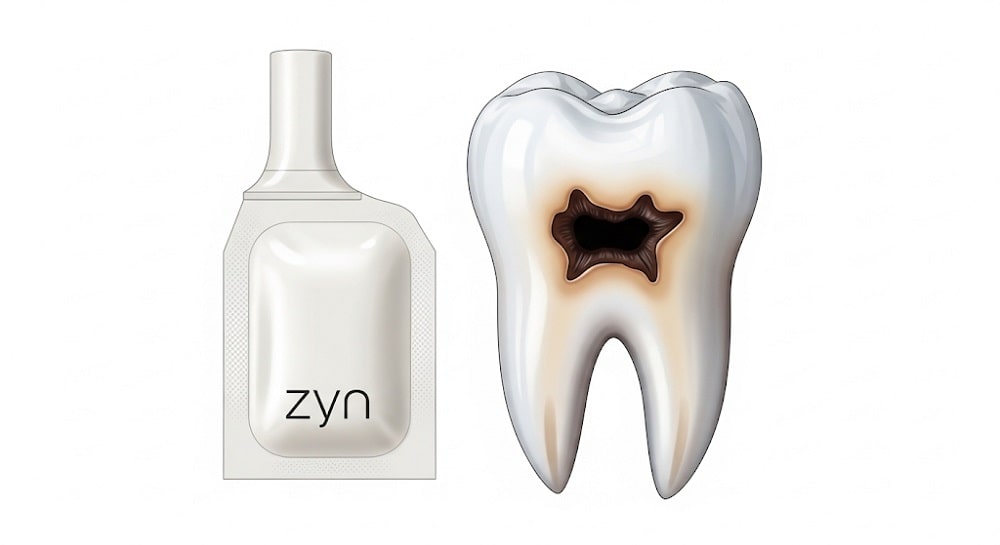
How Zyns Affect Gum Health and Indirect Cavity Risk
The use of Zyn nicotine pouches has grown as a cleaner alternative to traditional tobacco products, but questions remain about their impact on gum health and potential indirect effects on cavity risk. While Zyn pouches do not contain tobacco or sugar, their nicotine content and repeated contact with sensitive gum tissues present unique challenges to maintaining oral health.
Nicotine’s Effect on Gum Tissue and Blood Flow
One of the main concerns with Zyn use is that nicotine constricts blood vessels in the gums, leading to reduced blood flow. This constriction limits oxygen and nutrient delivery critical to gum tissue repair and immune response. Without proper circulation, gums become more vulnerable to inflammation, gum disease, and slower healing processes. This effect of nicotine weakens the gums’ natural defenses, raising the risk of infections and long-term damage.
Gum Recession Caused by Zyn Usage
Repeated placement of Zyn pouches in the same area can cause gum irritation and inflammation, leading to gum recession over time. Gum recession exposes the sensitive tooth roots, which are not protected by enamel and are thus more susceptible to tooth sensitivity, decay, and cavities. This mechanical irritation coupled with nicotine’s effects creates a damaging cycle where gum tissue slowly pulls away from teeth, increasing the chance of oral infections and periodontal disease.
Dry Mouth and Its Role in Increasing Cavity Risk
Nicotine from Zyn also contributes to dry mouth (xerostomia) by reducing saliva production. Saliva is essential for washing away food debris and neutralizing acids produced by bacteria. A dry mouth environment fosters the growth of harmful bacteria, accelerating tooth decay and increasing the risk of both cavities and gum disease. Thus, even though Zyn pouches are sugar-free, the indirect cavity risks rise through this mechanism due to an imbalanced oral environment.
See more: Bentonite Clay for Cavities: Natural Tooth Remineralization
Impact on Oral Microbiome and Immune Defense
Nicotine and the ingredients in Zyn can alter the delicate oral microbiome, favoring harmful bacteria linked to gum inflammation and dental caries. Studies show that these changes impair the innate immune response of periodontal tissues, making gums more prone to infection and disease progression. This disruption, combined with chronic irritation from pouch placement, compounds the risk to both gums and teeth over time.
Potential Long-Term Oral Health Consequences of Zyn Use
While Zyn nicotine pouches are often marketed as a safer alternative to traditional smoking and tobacco products, their long-term use carries potential risks that could negatively impact oral health. Understanding these consequences is crucial for users who want to maintain optimal dental wellness while using these tobacco-free nicotine pouches.
Gum Recession and Increased Tooth Sensitivity
One of the most significant long-term concerns associated with prolonged Zyn use is gum recession. Nicotine’s vasoconstrictive properties reduce blood flow to the gums, impairing their ability to heal and maintain healthy tissue. Repeated irritation from placing the pouch in the same spot can cause chronic inflammation leading to the gradual pulling back of gum tissue. This exposes the more vulnerable root surfaces of teeth, which lack enamel and are highly susceptible to decay. Consequently, users often experience increased tooth sensitivity and a higher risk of developing root caries and cavities in these exposed areas.
See more: Why Do My Teeth Hurt When Eating Sweets Even Though I Have No Cavities?
Elevated Risk of Periodontal Disease
Long-term nicotine exposure from Zyn pouches may predispose users to periodontal disease, a serious infection that affects the gums and the supporting structures of teeth. Nicotine suppresses immune response and disrupts the balance of oral bacteria, promoting the growth of pathogenic species linked to gum inflammation and destruction. If untreated, periodontal disease can lead to tooth mobility and loss, representing a major threat to oral health for chronic Zyn users.
Dry Mouth and Its Impact on Dental Health
Dry mouth (xerostomia) is another common consequence of nicotine pouch use, resulting from nicotine’s inhibitory effect on saliva production. Saliva is critical for neutralizing acids and remineralizing enamel, so a reduction exposes teeth to greater risk of acid erosion, decay, and cavities. Over time, decreased saliva flow can lead to persistent mouth discomfort, difficulty in swallowing, and increased susceptibility to infections, compounding the challenges to oral hygiene and cavity prevention.
Oral Mucosal Changes and Potential Lesions
Studies have documented that extended use of nicotine pouches like Zyn can result in oral mucosal changes, including white lesions, soreness, and gingival blisters near the pouch placement site. These changes suggest chronic irritation or inflammation of the soft tissues, which may increase vulnerability to more serious conditions if use continues unchecked. Although conclusive evidence of cancerous transformation is limited, these findings underline the importance of monitoring oral tissue health in long-term users.
Potential Additive Risks from Flavorings and Chemicals
Many Zyn users choose from various flavored pouches containing additives that enhance taste and aroma. Some research hints that certain flavoring agents and the chemical composition of pouches could have toxicological effects with chronic exposure, potentially irritating oral tissues or exacerbating inflammation. While more rigorous studies are needed, these components contribute additional risk factors to consider for long-term oral health.
Tips to Protect Your Oral Health While Using Zyn
Although Zyn nicotine pouches are marketed as a cleaner alternative to traditional tobacco products, their use still carries potential risks to oral health. To minimize these risks and protect gums and teeth, it is essential to adopt specific oral care strategies tailored to addressing the unique challenges posed by nicotine pouches.
Maintain Excellent Oral Hygiene Practices
The foundation for protecting oral health while using Zyn is consistent, thorough oral hygiene. Brushing teeth twice daily with fluoride toothpaste helps remove plaque buildup, which can accumulate around the pouch contact areas. Daily flossing is crucial to clean between teeth and below the gum line to prevent periodontal disease. Using an antibacterial mouthwash can further reduce harmful oral bacteria that contribute to gum disease and cavities. These habits counteract the negative effects of nicotine-induced gum irritation and dry mouth on the oral environment.
Stay Hydrated and Stimulate Saliva Production
Since nicotine in Zyn pouches reduces saliva flow, causing dry mouth, users should prioritize hydration by drinking plenty of water throughout the day. Chewing sugar-free gum or using saliva stimulants can help increase saliva production, which plays a key role in neutralizing acid, remineralizing enamel, and washing away cavity-causing bacteria. Managing dry mouth effectively reduces the risk of dental caries and gum infections associated with decreased natural oral defenses.
Rotate Pouch Placement to Prevent Gum Damage
Avoiding chronic irritation from pouch placement is important for preserving gum health. Users should be encouraged to alternate the position of Zyn pouches in the mouth regularly rather than keeping them in the same spot. This practice helps prevent localized gum recession and inflammation caused by constant friction, reducing the chance of exposing sensitive tooth roots vulnerable to decay and sensitivity.
Regular Dental Visits and Professional Care
Routine dental check-ups are essential for early detection of potential issues like gum recession, cavities, and soft tissue changes due to nicotine pouch use. Dental professionals can provide personalized advice, perform deep cleanings, and monitor gum and tooth health. Proactive dental care allows users to address problems promptly before they advance, maintaining long-term oral health despite nicotine use.
Consider Limiting Frequency and Duration of Use
While many choose Zyn as a safer nicotine alternative, minimizing the frequency and duration of nicotine pouch use can help reduce oral health risks. Users exploring quitting aids or nicotine replacement therapies may consider gradually reducing reliance on nicotine pouches, balancing nicotine satisfaction with oral wellness.
Comparing Zyn to Other Nicotine and Tobacco Products on Oral Health
As the popularity of Zyn nicotine pouches grows, many users wonder how their oral health risks compare to those posed by other nicotine and tobacco products, such as cigarettes, smokeless tobacco, and vaping. Understanding the differences and similarities helps users make informed decisions regarding their nicotine consumption and oral health.
Zyn vs. Cigarettes: Smoke-Free but Not Harmless
Unlike cigarettes, Zyn pouches are completely smoke-free and do not expose oral tissues to harmful tar, heat, or combustion byproducts known to cause extensive damage. Cigarettes stain teeth, cause bad breath, increase the risk of oral cancer, and broadly harm oral tissues, including gums, cheeks, and tongue. Zyn, on the other hand, delivers nicotine without smoke, reducing exposure to carcinogens and toxic chemicals. However, the absence of smoke does not make Zyn harmless. Nicotine in Zyn still causes gum irritation, dry mouth, and localized tissue damage, especially where the pouch rests. Thus, while the type of damage differs, the risk to oral health remains significant for both products.
Zyn vs. Smokeless Tobacco: Tobacco-Free but Similar Risks
Compared to traditional smokeless tobacco, which contains tobacco leaves and sugars that feed harmful oral bacteria, Zyn’s tobacco-free formula lacks these cavity-promoting ingredients. Smokeless tobacco is known to increase the risk of gum disease, recessed gums, tooth decay, and oral cancers due to its toxic and sugary constituents. Zyn offers a cleaner alternative by using pharmaceutical-grade nicotine and sweeteners without sugar, theoretically lowering some risks. However, nicotine’s vasoconstrictive effects and repeated pouch placement continue to pose risks of gum recession, irritation, and indirect cavity risk similar to smokeless tobacco.
Zyn vs. Vaping: Different Delivery, Different Risks
Vaping delivers nicotine through inhalation, affecting lung and oral tissue differently than orally absorbed nicotine pouches like Zyn. Vaping exposes oral tissues to chemicals in e-liquids that may cause oral dryness, mucosal inflammation, and altered oral microbiomes, but typically does not cause the localized gum irritation associated with pouches. While both products reduce cigarette use harms, Zyn’s direct contact with gum tissue may produce unique oral effects such as localized gum recession. Vaping is associated more with changes in saliva composition and systemic effects rather than direct gum tissue damage seen with Zyn.
Conclusion
In conclusion, Zyn nicotine pouches do not directly cause cavities due to their sugar-free formulation. However, their use can lead to dry mouth, gum irritation, and gum recession, which indirectly increase the risk of tooth decay and cavities. Maintaining good oral hygiene and regular dental check-ups is essential to mitigate these effects. While Zyn offers a tobacco-free alternative with fewer harmful chemicals than smoking or smokeless tobacco, users should remain vigilant about their oral health to prevent potential long-term issues associated with nicotine exposure and pouch placement.





