


Noticing a yellow coating on back of tongue can be surprising and sometimes worrying. This common oral condition often results from bacteria buildup, poor oral hygiene, dehydration, or certain lifestyle habits like smoking or drinking coffee. While a yellow coating on back of tongue is usually harmless, it can also be a sign that your mouth needs better care. Understanding the causes and simple ways to treat it can help restore a healthy tongue and improve your overall oral hygiene.
NỘI DUNG
What Does a Yellow Coating on the Back of the Tongue Mean?
A yellow coating on back of tongue is a relatively common oral condition that usually appears when bacteria, dead cells, and food debris accumulate on the surface of the tongue. The tongue contains thousands of tiny structures called papillae that can trap particles throughout the day. When oral hygiene is not optimal, these particles build up and create a visible layer, often appearing yellowish or slightly brown.
In most cases, a yellow tongue coating is not a serious medical issue. It often indicates temporary changes in oral hygiene habits, hydration levels, or diet. However, understanding what causes this discoloration can help you address it quickly and maintain better overall oral health.
How the Tongue Normally Looks
A healthy tongue typically appears light pink with a thin white coating that is barely noticeable. The surface is covered with small bumps called papillae, which help with tasting and moving food while eating.
Under normal circumstances, the body naturally removes bacteria and dead cells through saliva and daily oral cleaning habits. When oral hygiene is consistent, the tongue remains clean and balanced.
However, if this natural cleaning process is disrupted, substances may accumulate on the tongue’s surface. This buildup can lead to a yellow tongue coating, especially toward the back of the tongue where bacteria tend to gather more easily.
Why Discoloration Happens on the Back of the Tongue
The back of the tongue is one of the most common areas for buildup because it is harder to reach during brushing and often receives less attention during oral hygiene routines. As bacteria, food particles, and dead skin cells collect in this area, they can create a visible layer that appears yellow.
Several factors may contribute to this discoloration, including poor oral hygiene, dry mouth, smoking, or certain dietary habits. Over time, these elements can cause the papillae to trap more debris, resulting in a noticeable yellow coating on back of tongue.
Additionally, when bacteria grow on the tongue’s surface, they can produce pigments that alter the tongue’s color. This process may also be associated with bad breath, as bacteria release sulfur compounds that create unpleasant odors.
Although a yellow tongue coating may look concerning, it is often reversible with proper oral hygiene, regular hydration, and improved daily habits. Understanding the reasons behind this condition is the first step toward restoring a healthy, natural-looking tongue.
Common Causes of Yellow Tongue Coating
A yellow coating on back of tongue can develop for several reasons, most of which are related to oral hygiene habits, lifestyle factors, or temporary changes in the body. The tongue naturally collects bacteria, food debris, and dead cells throughout the day. When these substances accumulate faster than they are removed, they can form a visible layer known as a yellow tongue coating. Understanding the common causes can help identify the right solution and prevent the issue from returning.
Poor Oral Hygiene
One of the most common reasons for a yellow coating on back of tongue is inadequate oral hygiene. When brushing and flossing routines are inconsistent, bacteria and food particles remain in the mouth longer than they should. Over time, these particles settle on the tongue’s surface and create a coating that can appear yellow or slightly brown.
Many people focus only on brushing their teeth while neglecting the tongue. However, the tongue’s textured surface easily traps debris. Without proper cleaning, this buildup may thicken and become more visible. Maintaining a consistent oral hygiene routine, including gentle tongue cleaning, can significantly reduce the chances of developing a yellow tongue coating.
Bacteria and Dead Cell Buildup
The tongue constantly sheds cells, which mix with bacteria naturally present in the mouth. When these elements accumulate on the papillae—the tiny bumps on the tongue’s surface—they can form a layer that changes the tongue’s appearance.
This buildup often occurs toward the back of the tongue, where airflow and mechanical cleaning from chewing are limited. As bacteria multiply, they can produce pigments and compounds that lead to a noticeable yellow coating on back of tongue. This process may also contribute to unpleasant breath because certain oral bacteria release sulfur compounds associated with halitosis.
Smoking and Tobacco Use
Smoking and tobacco products can significantly affect the appearance and health of the tongue. Chemicals in tobacco can irritate the papillae and encourage bacteria to accumulate more easily. As a result, smokers often experience discoloration on the tongue, including a yellow tongue coating.
In addition, smoking reduces saliva production, which plays an essential role in naturally cleaning the mouth. When saliva flow decreases, bacteria and debris remain on the tongue longer, increasing the likelihood of developing a yellow coating on back of tongue.
Dehydration and Dry Mouth
Saliva acts as the mouth’s natural cleaning system. It helps wash away bacteria, food particles, and dead cells before they can accumulate. When the body becomes dehydrated or when saliva production decreases, this protective mechanism becomes less effective.
Dry mouth, also known as xerostomia, creates an environment where bacteria can grow more rapidly. This can lead to the development of a yellow tongue coating, especially if dehydration continues over time. Drinking enough water and maintaining proper hydration can help restore the mouth’s natural balance and reduce discoloration on the tongue.
Diet and Coffee Consumption
Certain dietary habits may also contribute to a yellow coating on back of tongue. Beverages like coffee and tea contain compounds that can stain the tongue’s surface, particularly if oral hygiene is not consistent. Highly processed foods or diets high in sugar may also encourage bacterial growth in the mouth.
When bacteria break down leftover food particles, they create substances that may alter the tongue’s color. Over time, this can lead to a noticeable yellow tongue coating, especially toward the back of the tongue where debris tends to accumulate.
Certain Medications
Some medications may indirectly cause a yellow coating on back of tongue by affecting saliva production or altering the balance of bacteria in the mouth. For example, certain antibiotics, antihistamines, or medications that cause dry mouth can make it easier for bacteria and debris to build up.
When saliva flow decreases, the mouth loses one of its most important defense mechanisms. Without enough moisture, the tongue becomes more vulnerable to bacterial growth, which may result in a yellow tongue coating.
Acid Reflux and Digestive Issues
In some cases, digestive conditions such as acid reflux may contribute to changes in the tongue’s appearance. When stomach acids travel back into the esophagus and mouth, they can irritate oral tissues and affect the balance of bacteria.
This irritation may encourage the buildup of debris and microorganisms on the tongue’s surface. As a result, some individuals with digestive issues may notice a yellow coating on back of tongue, particularly in the morning. While this condition is usually harmless, persistent symptoms should be discussed with a healthcare professional.
Is a Yellow Tongue Dangerous?
Seeing a yellow coating on back of tongue can understandably cause concern, especially if it appears suddenly or persists for several days. In most situations, however, this condition is harmless and usually linked to temporary factors such as oral hygiene habits, diet, dehydration, or bacterial buildup on the tongue’s surface.
The tongue naturally hosts many bacteria that help maintain the balance of the oral microbiome. When this balance changes, bacteria, food debris, and dead cells may accumulate and create a visible yellow tongue coating. While the appearance may seem alarming, it often improves quickly with better oral care and healthy daily habits.
Still, it is important to recognize when the condition is normal and when it might indicate an underlying issue that deserves attention.
When It Is Usually Harmless
In many cases, a yellow coating on back of tongue is simply a cosmetic or hygiene-related issue rather than a medical problem. It often develops when bacteria accumulate on the papillae, the small bumps covering the tongue. This buildup may occur if the tongue is not regularly cleaned or if the mouth becomes dry.
Several everyday factors may contribute to a temporary yellow tongue coating, including smoking, drinking coffee or tea, mild dehydration, or inconsistent oral hygiene routines. These causes typically do not lead to serious health concerns and can often be resolved with simple improvements in oral care.
Practices such as brushing the tongue, using a tongue scraper, staying well hydrated, and maintaining regular dental hygiene can gradually restore the tongue’s natural color. In most cases, once bacteria and debris are removed, the yellow coating on back of tongue fades within a few days.
Warning Signs That Require Medical Attention
Although a yellow tongue coating is usually harmless, there are situations where it may signal a deeper issue. If the discoloration persists for several weeks despite good oral hygiene, it may be helpful to consult a dentist or healthcare professional.
Certain symptoms accompanying a yellow coating on back of tongue may indicate that further evaluation is necessary. For example, pain, swelling, unusual lesions, or thick patches that cannot be removed through cleaning could suggest an oral infection or another medical condition.
Persistent bad breath, changes in taste, difficulty swallowing, or signs of oral thrush may also require professional examination. In some cases, digestive problems, acid reflux, or systemic health conditions can influence the appearance of the tongue.
While most cases of yellow tongue coating are mild and temporary, paying attention to these warning signs can help ensure that any potential underlying issues are addressed early. Regular dental checkups and good oral hygiene remain the best ways to maintain a healthy tongue and overall oral health.
How to Get Rid of Yellow Coating on the Back of the Tongue
If you notice a yellow coating on back of tongue, the good news is that it can usually be improved with simple daily habits and better oral hygiene. Because this condition is often caused by bacteria buildup, dry mouth, or debris trapped on the tongue’s surface, addressing these factors can gradually restore the tongue’s natural pink color.
By improving oral care routines, staying hydrated, and adopting healthier lifestyle habits, most people can reduce or eliminate a yellow tongue coating within a short period of time.
Proper Tongue Cleaning Techniques
Cleaning the tongue is one of the most effective ways to remove a yellow coating on back of tongue. While many people brush their teeth regularly, the tongue is often overlooked even though it can harbor large amounts of bacteria.
When brushing your teeth, gently brush the surface of your tongue from back to front using a soft toothbrush. This helps remove bacteria, dead cells, and food particles that accumulate throughout the day. It is important to be gentle because the tongue is sensitive and excessive pressure can cause irritation.
Making tongue cleaning part of your daily routine can significantly reduce the buildup responsible for a yellow tongue coating and improve overall oral freshness.
Using a Tongue Scraper
A tongue scraper is a simple tool specifically designed to remove buildup from the tongue’s surface. Many dentists recommend this method because it can be more effective than brushing alone.
To use a scraper, place it toward the back of the tongue and gently pull it forward, removing debris that may be causing a yellow coating on back of tongue. Rinse the scraper after each pass to remove the collected bacteria and residue.
Regular use of a tongue scraper helps reduce bacterial buildup and can also improve bad breath, which is often associated with a yellow tongue coating.
Improving Oral Hygiene Routine
A strong oral hygiene routine is essential for preventing and eliminating a yellow coating on back of tongue. Brushing twice a day with fluoride toothpaste, flossing daily, and cleaning the tongue are key habits that support a healthier mouth.
Using an antibacterial mouthwash can also help reduce harmful bacteria that contribute to a yellow tongue coating. Mouthwash reaches areas that brushing may miss and can help maintain a balanced oral environment.
Consistency is important. When oral hygiene practices are maintained every day, bacteria are less likely to accumulate and discolor the tongue.
Hydration and Diet Changes
Hydration plays a major role in oral health. Drinking enough water supports saliva production, which helps naturally cleanse the mouth and prevent bacteria from accumulating.
When the body becomes dehydrated, saliva levels decrease, creating conditions where a yellow coating on back of tongue can develop more easily. Drinking water throughout the day helps wash away bacteria and maintain a healthier oral environment.
Diet can also influence the tongue’s appearance. Reducing sugary foods, limiting excessive coffee or alcohol consumption, and eating fresh fruits and vegetables can support better oral health and help reduce a yellow tongue coating.
Medical Treatments if Needed
In most cases, improving daily habits is enough to resolve a yellow coating on back of tongue. However, if the discoloration persists despite proper oral hygiene, it may be worth consulting a dentist or healthcare professional.
A medical professional can examine the tongue and determine whether the yellow tongue coating is related to an underlying condition such as oral infections, dry mouth caused by medication, or digestive issues. In some situations, specialized mouth rinses or treatments may be recommended.
Seeking professional advice ensures that any underlying causes are addressed properly while helping restore a healthy and natural appearance to the tongue.
Best Oral Hygiene Products That Help Remove Tongue Coating
Using the right tools can make a major difference when trying to eliminate a yellow coating on back of tongue. While daily brushing and flossing remain the foundation of oral hygiene, certain products are specifically designed to remove bacteria and debris that accumulate on the tongue’s surface. When combined with proper oral care habits, these tools help reduce bacterial buildup, improve breath freshness, and restore a healthier-looking tongue. Below are some of the most effective oral hygiene products that can help manage and reduce yellow tongue coating.
Electric Toothbrushes
An electric toothbrush can be a powerful tool for maintaining overall oral health and preventing the buildup that contributes to a yellow coating on back of tongue. These toothbrushes use rapid vibrations or oscillating movements to remove plaque and bacteria more efficiently than manual brushing.
Many modern electric toothbrushes also include built-in tongue cleaning surfaces on the back of the brush head. This feature allows users to gently clean the tongue while brushing their teeth, helping remove bacteria and debris that may cause a yellow tongue coating.
Consistent brushing with a high-quality toothbrush also supports healthier gums and reduces the amount of bacteria in the mouth overall. Since the tongue often acts as a reservoir for odor-causing bacteria, maintaining a clean oral environment can significantly reduce both discoloration and bad breath.
Antibacterial Mouthwash
Antibacterial mouthwash is another useful addition to an oral hygiene routine, particularly for people dealing with a yellow coating on back of tongue. Mouthwash helps reach areas that brushing and flossing might miss, including the back of the tongue and other surfaces inside the mouth.
Many therapeutic mouthwashes contain antibacterial ingredients that help reduce harmful microbes and neutralize odor-causing compounds. By lowering the number of bacteria in the mouth, these products can help prevent the buildup that leads to a yellow tongue coating.
In addition to reducing bacteria, mouthwash can also freshen breath and promote a cleaner feeling throughout the mouth. Some formulations include ingredients designed to support gum health or maintain moisture levels, which can be beneficial for people who experience dry mouth.
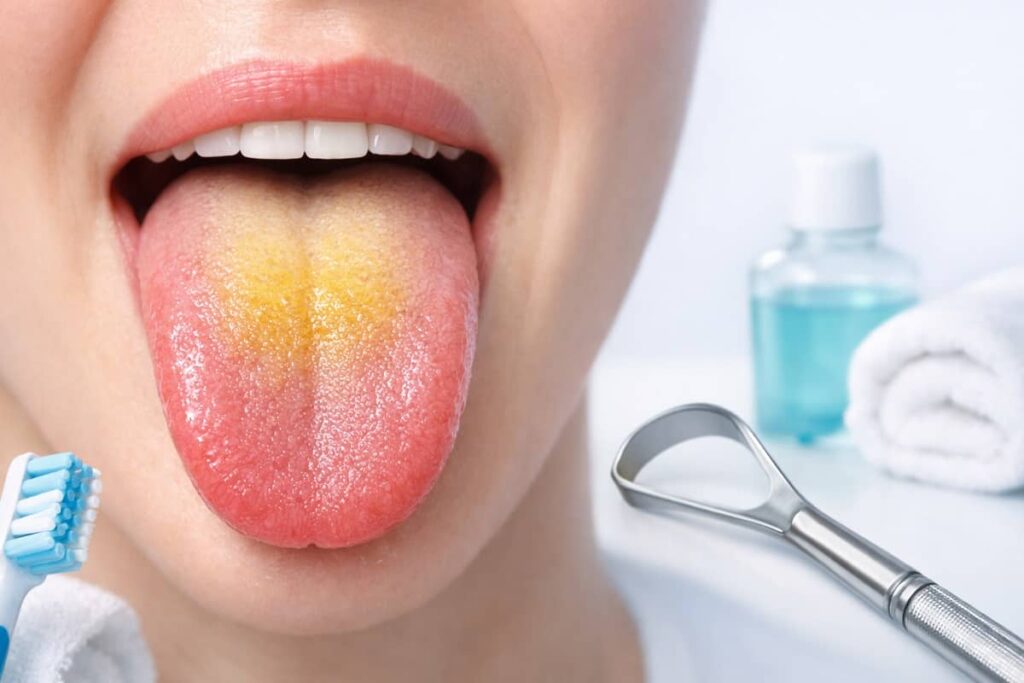
Tongue Scrapers
A tongue scraper is one of the most effective tools for directly removing a yellow coating on back of tongue. These tools are specifically designed to clean the tongue’s surface by gently scraping away bacteria, food particles, and dead cells trapped between the papillae.
Regular tongue scraping can significantly reduce the bacterial layer that contributes to discoloration and bad breath. Studies and dental experts note that scraping can remove odor-producing bacteria and debris more effectively than brushing the tongue alone.
Tongue scrapers are available in several materials, including stainless steel, copper, and plastic. Metal versions are often preferred for durability and ease of cleaning, while plastic scrapers may feel gentler for people with sensitive tongues. Regardless of the material, using a tongue scraper daily can help keep the tongue cleaner and prevent the return of yellow tongue coating.
Incorporating these tools into a consistent oral hygiene routine—along with brushing, flossing, and regular dental checkups—can greatly improve tongue health. By reducing bacterial buildup and maintaining better oral cleanliness, it becomes much easier to prevent or eliminate a yellow coating on back of tongue and maintain fresher breath overall.
How to Prevent Yellow Tongue in the Future
Preventing a yellow coating on back of tongue mainly involves maintaining consistent oral hygiene habits and supporting overall mouth health. Since this condition is often caused by bacteria buildup, dry mouth, or lifestyle factors, small daily improvements can make a significant difference. By adopting healthy routines and paying attention to oral care, you can reduce the risk of developing a yellow tongue coating and keep your tongue looking clean and healthy over time.
Daily Oral Hygiene Habits
One of the most effective ways to prevent a yellow coating on back of tongue is to maintain a strong daily oral hygiene routine. Brushing your teeth at least twice a day with fluoride toothpaste helps remove plaque and bacteria that accumulate in the mouth. However, it is equally important to clean the tongue regularly, as bacteria can easily collect on its textured surface.
Using a soft toothbrush or a tongue scraper to gently clean the tongue can help remove debris that may lead to a yellow tongue coating. Flossing daily is also essential because it eliminates food particles and plaque between the teeth, reducing the overall bacterial load in the mouth.
In addition, rinsing with an antibacterial mouthwash can help control bacteria and keep the mouth feeling fresh. When these habits are practiced consistently, they greatly reduce the likelihood of bacteria accumulating on the tongue and forming a yellow coating on back of tongue.
Lifestyle Adjustments
Certain lifestyle habits can increase the chances of developing a yellow tongue coating, so making a few adjustments can help prevent the problem in the long term. Staying well hydrated is particularly important because saliva plays a key role in washing away bacteria and food particles. Drinking enough water throughout the day helps maintain proper saliva flow and prevents dry mouth.
Limiting tobacco use and reducing excessive coffee or alcohol consumption may also help keep the tongue healthier. These substances can contribute to discoloration and encourage bacterial buildup, which may lead to a yellow coating on back of tongue.
Eating a balanced diet rich in fruits and vegetables can further support oral health. Crunchy foods such as apples and carrots naturally help clean the tongue and teeth while stimulating saliva production, reducing the chances of developing a yellow tongue coating.
Regular Dental Checkups
Routine dental visits play an important role in preventing a yellow coating on back of tongue and maintaining overall oral health. Dentists can identify early signs of bacterial buildup, gum disease, or other oral conditions that may contribute to tongue discoloration.
Professional cleanings remove plaque and tartar that cannot be eliminated through brushing alone. During these appointments, dental professionals may also provide personalized advice on improving oral hygiene practices and preventing issues such as yellow tongue coating.
Regular checkups not only help maintain a cleaner mouth but also allow potential problems to be addressed early. By combining professional dental care with good daily habits, it becomes much easier to prevent a yellow coating on back of tongue and keep your oral health in optimal condition.
When Should You See a Dentist or Doctor?
In most cases, a yellow coating on back of tongue is harmless and can be resolved with improved oral hygiene and healthy lifestyle habits. However, there are situations where the discoloration may persist or be accompanied by other symptoms that should not be ignored. Recognizing when professional evaluation is necessary can help rule out underlying issues and ensure proper treatment.
If a yellow tongue coating does not improve after consistent cleaning and good oral care, it may be time to consult a dental or medical professional for further examination.
When the Coating Does Not Improve
A yellow coating on back of tongue that lasts for more than one to two weeks despite proper oral hygiene may require professional attention. Normally, regular brushing, tongue cleaning, hydration, and mouthwash use should gradually remove the bacterial buildup responsible for discoloration.
If the coating remains thick, spreads across the tongue, or becomes darker in color, it may indicate a more persistent bacterial imbalance or another oral condition. A dentist can examine the tongue closely and determine whether the yellow tongue coating is related to plaque accumulation, fungal infections, or another issue that needs treatment.
When Pain or Other Symptoms Appear
While most cases of yellow coating on back of tongue are painless, the presence of additional symptoms may suggest a different underlying problem. Pain, swelling, burning sensations, or unusual patches on the tongue should not be ignored.
Other warning signs include difficulty swallowing, persistent bad breath that does not improve with oral hygiene, changes in taste, or sores that do not heal. In some situations, these symptoms may be associated with oral infections such as oral thrush or other medical conditions affecting the mouth.
If a yellow tongue coating appears alongside these symptoms, seeking medical advice can help identify the cause and ensure appropriate treatment.
When It May Be Linked to Other Health Issues
Occasionally, a yellow coating on back of tongue may be related to broader health conditions rather than simple oral hygiene problems. Digestive disorders such as acid reflux, chronic dry mouth, or medication side effects can influence the balance of bacteria in the mouth and lead to tongue discoloration.
In these cases, a dentist or doctor may evaluate additional factors such as medical history, diet, medications, and overall health. Identifying the root cause is important because treating the underlying issue often helps eliminate the yellow tongue coating.
Although the condition is usually temporary and harmless, consulting a professional provides reassurance and ensures that any potential health concerns are addressed early. Regular dental checkups and prompt attention to unusual oral changes remain essential for maintaining a healthy mouth.
Final Thoughts: Keeping Your Tongue Healthy
A yellow coating on back of tongue is usually a temporary and harmless condition, often linked to bacteria buildup, dry mouth, or lifestyle habits. With consistent oral hygiene, proper tongue cleaning, and good hydration, most cases of yellow coating on back of tongue can be easily improved. Paying attention to your oral health and maintaining regular dental checkups will help keep your tongue clean, fresh, and naturally healthy over time.





