


Many people taking gabapentin for nerve pain or seizures wonder: does gabapentin cause tooth decay? While the medication is widely prescribed and effective, some patients report unexpected dental issues, especially when dry mouth becomes a side effect. Saliva normally protects teeth from harmful bacteria, and when it is reduced, the risk of cavities and gum problems can increase. Although research does not show that gabapentin directly damages teeth, its impact on oral health should not be overlooked. This article nhakhoahome explores the link between gabapentin, dry mouth, and tooth decay, and provides practical tips to protect your dental health.
NỘI DUNG
Understanding Gabapentin and Its Common Side Effects
What Is Gabapentin?
Gabapentin, also known by brand names like Neurontin, Gralise, and Horizant, is a prescription medication widely used to treat neuropathic pain, seizures, and sometimes restless leg syndrome. Although not classified as a narcotic, gabapentin affects the nervous system by calming overactive nerve signals. Many patients ask, “does gabapentin cause tooth decay?” While the drug itself does not directly erode enamel, its influence on the body—especially through side effects like dry mouth (xerostomia)—may contribute to oral health issues.
How Gabapentin Affects the Body
Gabapentin works by mimicking the neurotransmitter GABA, reducing abnormal nerve activity that causes chronic pain or seizures. Its benefits are significant, but like many long-term medications, gabapentin can have secondary effects beyond its intended purpose. Some patients report oral health complications, such as gum issues, tooth sensitivity, or even concerns about enamel erosion, often linked to decreased saliva flow.
Common Side Effects of Gabapentin
The most frequently reported side effects include dizziness, fatigue, and blurred vision. However, one of the most overlooked issues is gabapentin dry mouth tooth decay risk. When saliva is reduced, teeth become more vulnerable to bacteria and acids that cause cavities and dental decay. Patients on long-term therapy sometimes describe gabapentin gum problems, including gingival hyperplasia (overgrowth of gum tissue) and gum recession, which can weaken tooth support.
Why Dental Side Effects Matter
Even though scientific studies have not proven that gabapentin directly causes tooth decay, dental professionals emphasize the indirect risk. Saliva is essential for washing away food particles, balancing oral pH, and protecting enamel. Without enough moisture, bacteria thrive, leading to gingivitis, plaque buildup, and cavity formation. For patients already vulnerable to oral issues—such as those with diabetes or poor dental hygiene—the gabapentin dental side effects can be more pronounced.
Related Medications and Comparisons
Other anticonvulsants like pregabalin (Lyrica) share similar side effect profiles, including oral health risks tied to dry mouth. Understanding these parallels helps patients and healthcare providers weigh the benefits of symptom relief against the potential for long-term effects on teeth and gums.
See more: Can Adderall Cause Tooth Decay? Understanding the Connection
How Dry Mouth Can Lead to Tooth Decay
The Protective Role of Saliva
Saliva is one of the body’s most important natural defenses against tooth decay. It washes away food particles, neutralizes harmful acids, and delivers essential minerals like calcium and phosphate to strengthen enamel. When gabapentin causes dry mouth (xerostomia), this protective process is disrupted. Patients often describe a sticky, uncomfortable feeling in the mouth, which is more than just inconvenient—it can significantly raise the risk of cavities and dental erosion.
Why Dry Mouth Increases Dental Risks
Without enough saliva, bacteria in the mouth multiply quickly. These bacteria feed on sugars and produce acid, which breaks down enamel and leads to dental decay. Over time, this can progress to gingivitis, gum inflammation, and even periodontal disease. For individuals asking “does gabapentin cause tooth decay?”, the answer is indirect: the medication may not attack enamel itself, but the dry mouth tooth decay risk is real and well-documented.
Connection Between Gabapentin and Oral Health Problems
Many patients on long-term gabapentin therapy report symptoms like tooth sensitivity, gum recession, and even loosened teeth. These complaints are often traced back to persistent gabapentin dry mouth, which deprives teeth and gums of their natural defense system. When combined with other lifestyle factors such as smoking, high-sugar diets, or poor oral hygiene, the gabapentin dental side effects can be even more severe.
Other Medications and Compounding Effects
Gabapentin is not the only drug that can lead to dry mouth and tooth decay. Similar medications, including pregabalin (Lyrica), certain antidepressants, and blood pressure medications, share this side effect. For patients taking multiple prescriptions, the long-term effects on teeth and gums can add up, making preventive care essential.
Preventing Tooth Decay from Dry Mouth
Fortunately, there are effective ways to reduce the gabapentin dry mouth tooth decay risk. Staying hydrated, using alcohol-free mouthwash, chewing sugar-free gum to stimulate saliva, and applying fluoride treatments can all help protect enamel. Dentists may also recommend artificial saliva products or prescribe remineralizing pastes for patients struggling with gabapentin-related oral health issues.
Is There Evidence That Gabapentin Causes Tooth Decay?
Clinical and Scientific Evidence
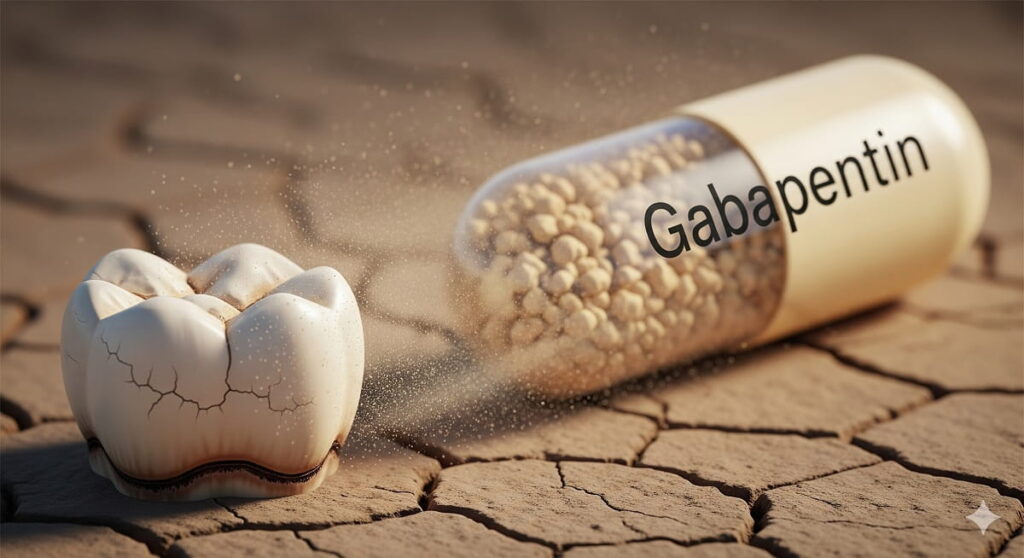
So, “Does gabapentin cause tooth decay?” The short answer is No, gabapentin does not directly cause tooth decay. There is currently no clinical study proving that gabapentin chemically erodes enamel or directly damages teeth. However, researchers and dentists highlight that gabapentin dental side effects—particularly dry mouth (xerostomia)—can indirectly increase the risk of cavities, gum disease, and enamel erosion. This means the concern is not about the drug itself destroying teeth, but about the side effects creating conditions that make decay more likely.
See more: How Many Cavities Is Normal by Age 25?
Patient Case Reports and Testimonials
Although hard scientific proof is limited, patient experiences tell a different story. In online health forums and dental case discussions, many long-term users report gabapentin gum problems, tooth sensitivity, and rapid tooth decay from the inside out. Some even describe teeth loosening or jaw bone support loss after years of therapy. While these reports do not serve as definitive proof, they illustrate a pattern of oral health issues linked to gabapentin dry mouth.
Dental Professional Perspectives
Dentists often clarify that gabapentin tooth decay risk is indirect but significant. When saliva production is reduced, bacteria thrive, acids build up, and enamel weakens. Professionals also note that patients with pre-existing conditions—such as diabetes, high sugar intake, or poor dental hygiene—are more likely to suffer gabapentin-related dental problems. In short, while gabapentin itself is not a direct culprit, its oral side effects create the perfect environment for decay.
Contradictory Views and Medical Skepticism
Some healthcare professionals argue that gabapentin tooth decay concerns may be overstated. They point out that millions of patients use gabapentin without dental complications, and that capsules and tablets are not inherently damaging to teeth. Still, most experts agree that gabapentin dry mouth tooth decay risk is real enough to warrant preventive measures.
What To Do if You’re Concerned About Dental Effects
Practice Proactive Oral Hygiene
If you are worried about gabapentin dental side effects, the best defense is a strong oral hygiene routine. Brush at least twice daily with fluoride toothpaste, floss carefully to remove plaque between teeth, and use an alcohol-free mouthwash to avoid further drying out the mouth. For patients asking how to protect your teeth while on gabapentin, these preventive measures help reduce the risk of cavities, gum disease, and enamel erosion.
See more: Does Monk Fruit Cause Tooth Decay? The Truth Behind This Natural Sweetener
Manage Dry Mouth Effectively
Since the main connection between gabapentin and tooth decay is dry mouth, keeping your mouth hydrated is crucial. Drink plenty of water throughout the day, chew sugar-free gum to stimulate saliva, or try artificial saliva products recommended by dentists. Some patients find relief with xylitol-based lozenges, which also help fight cavity-causing bacteria. Managing gabapentin dry mouth tooth decay risk early can prevent more serious oral complications later.
Ask Your Dentist for Preventive Treatments
Regular dental visits are essential for anyone taking gabapentin long term. Dentists may suggest fluoride varnish, remineralizing gels, or custom trays to strengthen enamel. Patients with gabapentin gum problems may also benefit from deep cleanings to reduce gum inflammation and protect tooth roots. If you’re experiencing sensitivity or rapid enamel loss, your dentist can detect it early and provide solutions before the damage worsens.
Consult Your Healthcare Provider
If dental issues become severe, do not stop your medication without medical guidance. Instead, speak with your doctor about alternatives such as pregabalin (Lyrica), which has a similar therapeutic effect but may be better tolerated by some patients. Healthcare providers can also adjust your dosage or suggest complementary therapies to ease gabapentin oral health complications. The key is balancing pain or seizure control with long-term dental wellness.
Lifestyle Adjustments to Reduce Risks
Avoiding sugary snacks, acidic drinks, and tobacco can significantly lower the chances of gabapentin-related tooth decay. Eating a balanced diet rich in calcium, vitamin D, and phosphorus supports stronger teeth and gums. Combining these lifestyle habits with professional care provides the best protection against gabapentin oral side effects.
Conclusion
So, does gabapentin cause tooth decay? The evidence shows that gabapentin does not directly damage teeth, but its side effect of dry mouth can create conditions that increase the risk of cavities, gum problems, and enamel erosion. For patients using gabapentin, the key is prevention: maintain excellent oral hygiene, stay hydrated, and schedule regular dental checkups. If dental issues persist, consult both your dentist and healthcare provider for tailored solutions. With awareness and proactive care, it is possible to manage gabapentin dental side effects while still benefiting from the medication’s therapeutic effects.





