


Monk fruit sweetener has surged in popularity as a natural, zero-calorie alternative to sugar. Many health-conscious individuals wonder, “Does monk fruit cause tooth decay?” Unlike traditional sugar, monk fruit does not feed the harmful bacteria in the mouth that produce acid responsible for tooth enamel erosion and cavities. Scientific evidence suggests monk fruit sweeteners are non-cariogenic, meaning they do not promote tooth decay. With additional antioxidant and anti-inflammatory benefits, monk fruit offers a tooth-friendly option for those seeking better dental health without sacrificing sweetness. This article nhakhoahome explores the truth behind monk fruit and its impact on dental care.
NỘI DUNG
Introduction to Monk Fruit and Its Popularity
What is Monk Fruit?
Monk fruit, also known as Luo Han Guo, is a small, green gourd native to Southeast Asia, particularly in regions of China and Thailand. Traditionally used by Buddhist monks, it has gained widespread attention for its extract, which provides a natural sweetener alternative to sugar. The sweetness of monk fruit comes from compounds called mogrosides, which are intensely sweet but contain zero calories and zero carbohydrates. This makes monk fruit sweetener highly appealing for people seeking diabetes-friendly sweeteners and those following low-carb or keto diets.
Rise in Popularity as a Natural Sweetener
In recent years, monk fruit has surged in popularity as a healthy sugar substitute due to its unique ability to deliver sweetness without the negative impacts associated with traditional sugar. Unlike sugar, which promotes harmful oral bacteria that cause tooth decay and cavities, monk fruit is considered non-cariogenic, meaning it does not contribute to enamel erosion or dental caries. Additionally, it has gained favor because it does not cause spikes in blood glucose, making it ideal for blood sugar control and weight management. The FDA’s GRAS (Generally Recognized As Safe) status further supports its use in a range of products, from beverages to baked goods. Today, many consumers and brands prefer monk fruit for its antioxidant properties, anti-inflammatory effects, and natural origin, setting it apart from artificial sweeteners and sugar alcohols.
How Tooth Decay Happens: The Role of Sugar
Understanding Dental Cavities and Oral Bacteria
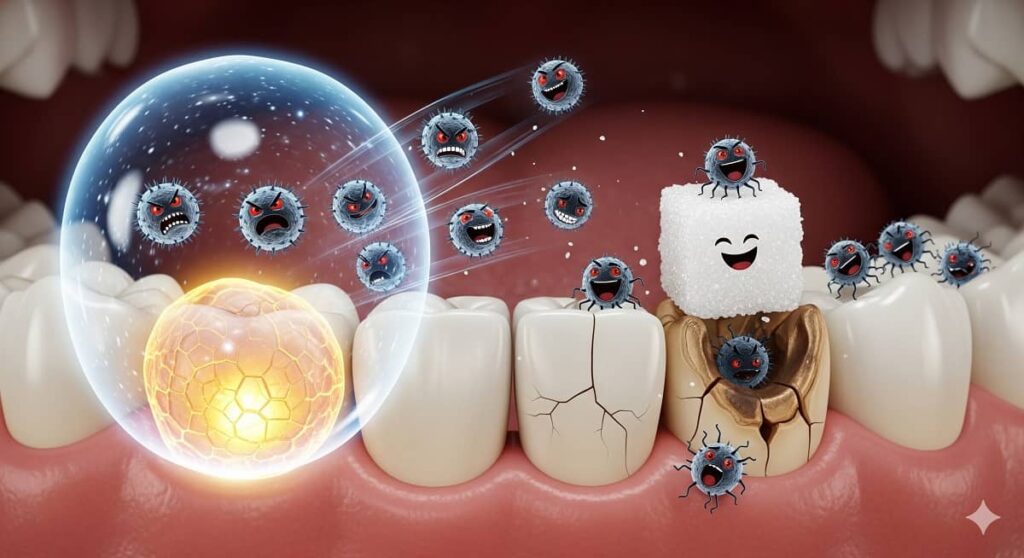
Tooth decay, also known as dental caries, is a common yet serious oral health problem that results from the interaction between sugars and harmful bacteria in the mouth. The key culprits are bacteria such as Streptococcus mutans and Streptococcus sobrinus, which thrive on sugars found in foods and drinks. When these bacteria metabolize sugar, they produce acids that lower the pH level in the oral environment. This acidic environment initiates a process called demineralization, where essential minerals such as calcium and phosphate are leached from the tooth enamel, the hard protective layer on your teeth. Over time, repeated acid attacks weaken and destroy the enamel, creating small holes or cavities, leading to tooth decay.
The Effect of Sugar on Tooth Enamel
Sugar itself does not directly cause tooth decay, but its metabolism by oral bacteria triggers acid production that gradually deteriorates tooth enamel. The sticky bacteria-laden dental plaque formed on teeth traps acid against the tooth surface, prolonging enamel exposure to erosion. When plaque is not effectively removed by daily oral hygiene practices like brushing and flossing, the acid continues to dissolve enamel. The enamel erosion exposes the more sensitive dentin underneath, leading to tooth sensitivity and increasing vulnerability to deeper decay. If left untreated, this decay can penetrate to the tooth pulp, causing pain, infection, and potentially tooth loss.
Frequency and Quantity: Key Factors in Decay Progression
It’s not just how much sugar is consumed, but how often the teeth are exposed to it that significantly influences dental health. Frequent consumption of sugary snacks or beverages causes repeated acid attacks, which increase the risk of tooth enamel erosion and cavity formation. The World Health Organization (WHO) recommends limiting free sugar intake to less than 5-10% of total daily energy to minimize the risk of dental caries throughout life. Reducing the frequency of sugar exposure allows saliva more time to neutralize acids and facilitate remineralization, where lost minerals are restored to the enamel, helping maintain tooth strength.
Does Monk Fruit Cause Tooth Decay?
Scientific Evidence on Monk Fruit and Oral Health
The direct answer to the question, “Does Monk Fruit cause tooth decay?” is a firm No. Scientific research consistently shows that monk fruit sweeteners are non-cariogenic, meaning they do not contribute to or cause tooth decay. Unlike traditional sugar, which serves as a food source for cariogenic bacteria like Streptococcus mutans that produce acid leading to enamel erosion, monk fruit cannot be metabolized by these bacteria. Studies comparing monk fruit to sucrose have demonstrated significantly lower bacterial growth and reduced demineralization of tooth enamel, making it a safer alternative for dental health.
Why Monk Fruit is Considered Non-Cariogenic
The key compounds in monk fruit called mogrosides provide intense sweetness without fermentable carbohydrates. This unique property means oral bacteria cannot convert monk fruit into acids that damage tooth enamel and initiate decay. Additionally, some studies suggest that monk fruit extract may even have antibacterial properties that help inhibit harmful oral bacteria such as Porphyromonas gingivalis and Candida albicans, further protecting oral health. Because it has a zero glycemic index and does not raise blood sugar, monk fruit is also favored by people who want to avoid the systemic complications related to sugar consumption.
The Role of Monk Fruit as a Tooth-Friendly Sweetener
In the growing market of natural sweeteners, monk fruit stands out not only for its sweetness but also for its tooth-friendly profile. It offers a healthier alternative for those concerned about cavities, enamel erosion, and overall oral hygiene. People looking for non-cariogenic sugar alternatives often choose monk fruit over artificial sweeteners or sugar alcohols because it combines safety, natural origin, and potential health benefits. Incorporating monk fruit into your diet can contribute to better dental care without sacrificing sweetness or flavor.
See more: Can Tooth Decay Cause Dizziness? Understanding the Connection
Comparing Monk Fruit with Other Sweeteners
Sugar vs Monk Fruit: Impact on Teeth
When comparing monk fruit with traditional table sugar (sucrose), the differences are significant, especially regarding dental health. Sugar provides calories and serves as a fuel source for cariogenic bacteria that produce acids causing tooth decay and enamel erosion. In contrast, monk fruit sweetener contains zero calories, zero carbohydrates, and zero sugar, making it a non-cariogenic sweetener that does not promote the growth of harmful bacteria responsible for dental cavities. Additionally, sugar’s high glycemic index causes blood sugar spikes, while monk fruit has a glycemic index of zero, providing a tooth-friendly alternative for individuals concerned about both oral health and blood sugar control.
Monk Fruit vs Artificial Sweeteners (Stevia, Xylitol, Erythritol)
Among the various natural sweeteners, monk fruit is often compared to stevia and sugar alcohols like xylitol and erythritol. All three are popular for their low-calorie, tooth-friendly profiles. Monk fruit is about 150 to 250 times sweeter than sugar due to compounds called mogrosides, while stevia ranges slightly higher in sweetness but may have a more pronounced aftertaste. Xylitol and erythritol are sugar alcohols known for antibacterial properties that actively reduce oral bacteria and encourage remineralization of enamel, similar to monk fruit’s potential antibacterial effects. However, some sugar alcohols can cause digestive discomfort, which is not commonly reported with monk fruit. Choosing among these sweeteners often depends on taste preference, digestive tolerance, and usage.
Benefits Beyond Tooth Decay – Antioxidants and Anti-inflammatory Effects
One of the unique advantages of monk fruit extract over many sweeteners is its rich content of antioxidants, primarily the mogrosides, which not only provide sweetness but also may offer anti-inflammatory and protective effects for overall health. While sugar offers no health benefits and only promotes tooth decay and metabolic issues, monk fruit’s antioxidant profile could contribute to healthier immune function and reduced oxidative stress. This makes monk fruit an attractive choice for those seeking a natural sweetener that supports both oral hygiene and general wellness.
See more: Does Stevia Cause Tooth Decay? The Truth About This Natural Sweetener
Health Benefits of Monk Fruit Sweetener
Benefits for Diabetic Individuals and Blood Sugar Control
One of the most compelling reasons people choose monk fruit sweetener is its potential to support blood sugar management. Unlike sugar and many other sweeteners, monk fruit contains zero calories and zero carbohydrates and has a glycemic index of zero, meaning it does not raise blood glucose levels. Clinical studies and randomized controlled trials indicate that monk fruit extract helps reduce postprandial glucose spikes and insulin responses, making it a safe and attractive option for individuals with type 1 and type 2 diabetes. Because it does not trigger a rise in blood sugar, monk fruit is a preferred natural low-calorie sweetener for maintaining stable metabolism and avoiding the risks associated with sugar consumption.
Weight Management and Appetite Regulation
Monk fruit sweetener’s zero-calorie nature offers a potential aid in weight management by reducing overall calorie intake without sacrificing sweetness. Some research suggests that monk fruit may help regulate hormones related to appetite and satiety, which can prevent overeating and support a healthy body weight. Animal studies have also found that the active compounds in monk fruit, specifically mogrosides, may inhibit fat accumulation and improve fat metabolism, contributing to better management of obesity and metabolic syndrome. This positions monk fruit as a promising natural sweetener to include in diets aimed at weight control and metabolic health.
Antioxidant and Anti-inflammatory Properties
Beyond its role as a natural sugar substitute, monk fruit is rich in antioxidants, primarily mogrosides, which have demonstrated anti-inflammatory and antioxidant effects in laboratory and animal studies. These properties may help reduce oxidative stress and inflammation in the body, both of which are linked to chronic diseases including cardiovascular conditions and certain cancers. While more human clinical trials are needed to confirm these benefits, monk fruit’s antioxidant profile adds to its appeal as a health-supportive sweetener beyond just being tooth-friendly and calorie-free.
Support for Overall Metabolic Health
Monk fruit extract has shown promising potential in improving various metabolic parameters. Research suggests that it can help in stabilizing blood lipid profiles, reducing insulin resistance, and promoting better liver health. These combined effects contribute to enhanced metabolic wellbeing, making monk fruit a functional food ingredient that aligns with holistic health and sustainable dietary strategies. Its inclusion as a natural, low-calorie sweetener can provide both sweet satisfaction and meaningful health support for those conscious about their metabolic and oral health.
See more: Can Adderall Cause Tooth Decay? Understanding the Connection
How to Use Monk Fruit Sweetener in a Tooth-Friendly Way
Recommended Uses and Consumption Tips
Using monk fruit sweetener in everyday foods and beverages is an excellent way to reduce added sugar intake while protecting your dental health. Monk fruit can replace sugar in hot drinks like coffee and tea, in smoothies, lemonade, and fruit juices, as well as in baked goods and sauces. Since monk fruit sweetener has zero calories and zero sugar, it does not contribute to the development of tooth decay or enamel erosion. For best results, choose pure monk fruit extract products without additives like maltodextrin or high amounts of sugar alcohols, as these can affect digestive comfort or tooth health differently.
Combining Monk Fruit with Other Healthy Practices for Oral Care
While monk fruit itself is non-cariogenic and does not promote harmful oral bacteria, it is important to maintain comprehensive oral hygiene for optimal dental care. Regular brushing with fluoride toothpaste, flossing, and professional dental cleanings remain essential to prevent dental plaque formation and tooth decay. Drinking plenty of water helps to wash away food particles and neutralize acids in the mouth. When used as part of a balanced approach to oral health, monk fruit sweetener can complement efforts to reduce cavity risk and maintain stronger, healthier teeth.
Safety and Moderation in Consumption
Monk fruit extracts are recognized as Generally Recognized As Safe (GRAS) by the FDA and approved for use worldwide, including in countries like Canada, Japan, and Australia. Although no acceptable daily intake (ADI) limit is specifically established, studies show that monk fruit is safe when consumed within reasonable amounts typical for sweetening foods and drinks. Extreme overconsumption is not advised—moderating intake ensures balanced nutrition and minimizes any potential digestive discomfort from ingredient blends in some products, such as those containing erythritol. It is safe for children, pregnant women, and people with diabetes, making it a versatile and tooth-friendly natural sweetener option.
Conclusion
In summary, monk fruit sweetener is a powerful natural alternative that does not cause tooth decay and offers multiple health benefits. Its non-cariogenic properties make it safe for maintaining dental health, while its zero-calorie, zero-glycemic nature supports blood sugar control and weight management. Rich in antioxidants, monk fruit also provides anti-inflammatory effects and may boost overall metabolic wellness. For anyone seeking a tooth-friendly, healthy sweetener, monk fruit is an excellent choice that combines great taste with proven safety and health advantages.





