


NỘI DUNG
Introduction
Sertraline, widely known by the brand name Zoloft, is a commonly prescribed antidepressant in the SSRI class. While effective for managing depression, anxiety, and related conditions, many patients wonder: does sertraline cause tooth decay? Concerns often arise because some users experience dry mouth, a factor linked to cavities, gum disease, and enamel erosion. Understanding the potential impact of sertraline on dental health is essential for maintaining a confident smile. This article nhakhoahome explores scientific evidence, explains how sertraline may indirectly affect teeth, and provides practical tips to protect oral health while benefiting from this important medication.
What Is Sertraline and How Does It Work?
Overview of Sertraline (Zoloft)
Sertraline, widely known by the brand name Zoloft, is a prescription medication in the class of selective serotonin reuptake inhibitors (SSRIs). It is commonly prescribed to treat depression, anxiety disorders, panic attacks, obsessive-compulsive disorder (OCD), and post-traumatic stress disorder (PTSD). By helping balance serotonin levels in the brain, sertraline supports mood regulation and emotional stability. While its mental health benefits are well documented, people increasingly ask whether sertraline and dental health are connected, specifically if sertraline causes tooth decay or affects gum health.
How Sertraline Works in the Brain
As an SSRI, sertraline works by blocking the reabsorption of serotonin in the brain’s nerve cells. This action increases the availability of serotonin, a neurotransmitter responsible for mood, sleep, and emotional well-being. Improved serotonin balance helps reduce symptoms of depression and anxiety. However, the same mechanism that benefits mental health can lead to side effects such as dry mouth (xerostomia). Reduced saliva flow creates conditions where plaque build-up, enamel erosion, and even gum disease can develop if oral care is not prioritized.
Common Side Effects and Their Impact on Oral Health
Like other antidepressants, sertraline side effects can include dry mouth, mild nausea, or changes in appetite. Among these, dry mouth is a key factor in potential tooth decay because saliva protects teeth by neutralizing acids and washing away food particles. Without adequate saliva, acids can linger, increasing the risk of cavities, plaque accumulation, and sensitive teeth. Health organizations such as the American Dental Association (ADA) and the National Institute of Dental and Craniofacial Research (NIDCR) emphasize the importance of saliva in preventing gum disease and maintaining strong enamel.
By understanding how sertraline works and its possible influence on oral health, patients can take proactive steps—such as maintaining excellent oral hygiene, staying hydrated, and scheduling regular dental checkups—to enjoy the mental health benefits of sertraline without compromising their dental care.
See more: Does Sorbitol Cause Tooth Decay? The Truth About This Sugar Substitute
Can Sertraline Cause Tooth Decay?
Scientific Evidence and Studies on Sertraline and Dental Health
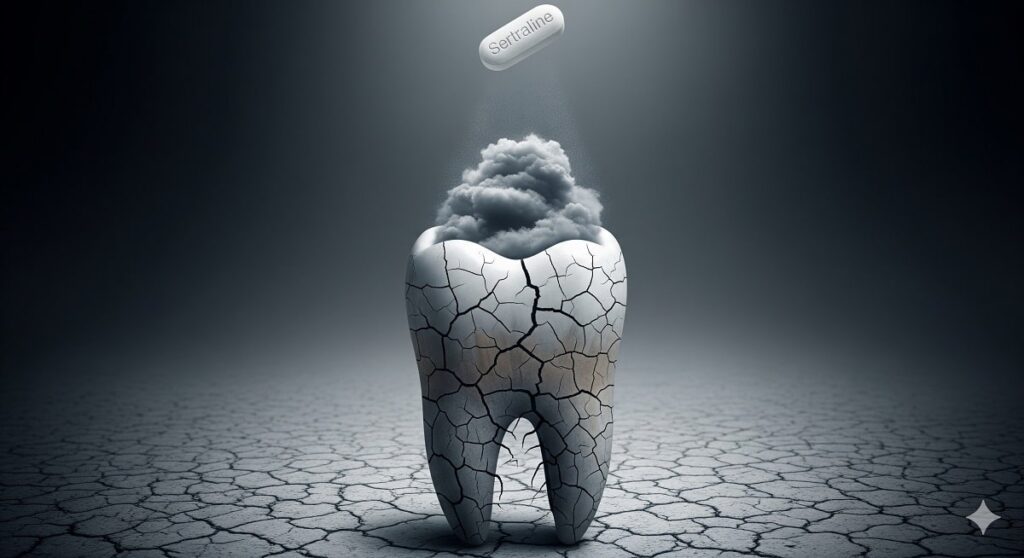
The straightforward answer to does sertraline cause tooth decay is no—sertraline does not directly damage tooth enamel or create cavities. Current clinical research and guidelines from the American Dental Association (ADA) and National Institute of Dental and Craniofacial Research (NIDCR) confirm that sertraline (Zoloft) does not chemically erode teeth or weaken enamel.
However, indirect factors linked to sertraline side effects—particularly dry mouth (xerostomia)—may increase the risk of tooth decay if oral hygiene is neglected. Reduced saliva means less natural protection against acid-producing bacteria, which can lead to plaque build-up, gum disease, and enamel erosion over time.
The Role of Dry Mouth (Xerostomia) in Tooth Decay
One of the most common sertraline side effects teeth-related is dry mouth. Saliva is essential for neutralizing acids and washing away food particles. When sertraline reduces saliva flow, teeth become more vulnerable to cavities, sensitive teeth, and gum problems. People taking sertraline and dental health medications are advised to drink more water, use ADA-approved fluoride toothpaste, or try saliva-stimulating sugar-free gums to counteract xerostomia. If untreated, persistent dry mouth can turn into a gateway for enamel erosion, plaque build-up, and eventual tooth decay.
Indirect Effects: Habits and Other Risk Factors
Beyond dry mouth, indirect lifestyle changes while taking sertraline (Zoloft) can affect oral health. Some patients experience sugar cravings, nighttime snacking, or higher stress levels, all of which can feed cavity-causing bacteria. Certain medications taken alongside sertraline—like antihistamines or blood pressure drugs—can intensify dry mouth, further heightening the risk of cavities and gum disease. Dental professionals often recommend regular dental checkups, professional cleanings, and the use of antibacterial mouthwash (such as Listerine) to keep oral hygiene optimal.
Conclusion for Patients:
While sertraline itself does not directly cause tooth decay, it can indirectly increase the risk through dry mouth and related habits. Proactive care—hydration, daily oral hygiene, and routine visits to the dentist—ensures that the mental health benefits of sertraline come without sacrificing a healthy smile.
See more: Can Antibiotics Cause Tooth Decay in Adults? What You Need to Know
Other Oral Health Issues Linked to Antidepressants
Gum Disease and Plaque Build-Up
Many antidepressants, including sertraline (Zoloft), can indirectly contribute to gum disease and plaque build-up. The most common factor is dry mouth (xerostomia), which reduces the natural cleansing action of saliva. Without adequate saliva, bacteria thrive, creating a higher risk of gingivitis and periodontitis. Over time, these conditions may lead to bleeding gums, bad breath, or even tooth loss if untreated. According to the American Dental Association (ADA) and the National Institute of Dental and Craniofacial Research (NIDCR), regular professional cleanings, antibacterial mouthwash like Listerine, and daily flossing are key preventive steps for patients using sertraline and other SSRIs.
Enamel Erosion and Tooth Sensitivity
Another concern for people taking sertraline and similar antidepressants is enamel erosion. This can occur when acidic saliva levels increase or when plaque build-up remains on the teeth due to dry mouth. Over time, weakened enamel exposes the dentin underneath, leading to sensitive teeth and a higher likelihood of cavities. To protect against tooth sensitivity, dental professionals recommend fluoride toothpaste such as Sensodyne, avoiding acidic beverages, and scheduling regular dental checkups to catch early signs of enamel erosion.
Interactions with Other Medications
Patients on sertraline often take additional medications for conditions like allergies, high blood pressure, or anxiety. Some of these, including antihistamines and diuretics, can worsen dry mouth and further elevate the risk of tooth decay, gum disease, and enamel weakening. Dentists advise patients to share their full medication list, so preventive treatments—like fluoride varnishes, saliva-stimulating therapies, or prescription high-fluoride toothpaste—can be tailored to their needs. Maintaining a strong partnership between your dentist, psychiatrist, and primary care doctor ensures a holistic plan for oral health while on antidepressants.
How to Protect Your Teeth While on Sertraline
Daily Oral Hygiene Tips for Stronger Teeth
The best defense against sertraline and dental health concerns is a consistent oral hygiene routine. Brush at least twice a day with an ADA-approved fluoride toothpaste, such as Sensodyne or Colgate Total, to strengthen enamel and fight plaque build-up. Flossing daily removes food particles that brushing can’t reach, reducing the risk of gum disease and tooth decay. For extra protection, rinse with an antibacterial mouthwash like Listerine to help neutralize acid-producing bacteria. People asking does sertraline cause tooth decay can rest assured that these daily practices greatly lower the risk of cavities even when taking SSRIs.
Stay Hydrated and Stimulate Saliva Production
One of the most important strategies to prevent dry mouth (xerostomia)—a key factor behind sertraline side effects teeth-related—is to keep the mouth hydrated. Drink plenty of water throughout the day to support natural saliva flow, which neutralizes acids and protects enamel. Sugar-free chewing gums or lozenges with xylitol can help stimulate saliva, offering added protection against enamel erosion and plaque accumulation. Avoid alcohol-based mouth rinses, as they may worsen dryness. Carrying a water bottle and sipping frequently is a simple yet powerful way to maintain a healthy oral environment while on sertraline (Zoloft).
Regular Dental Checkups and Professional Care
Routine visits to the dentist are essential for anyone concerned about sertraline and oral health. Schedule professional cleanings every six months, or more often if recommended, to remove hardened plaque and check for early signs of gum disease or tooth decay. Dentists may also apply fluoride varnishes or prescribe high-fluoride toothpaste to strengthen enamel. If dry mouth persists, discuss specialized treatments such as saliva substitutes or prescription-strength rinses. Collaboration between your dentist, psychiatrist, and primary care provider ensures a coordinated plan to protect teeth while maintaining the mental health benefits of sertraline.
See more: Can Adderall Cause Tooth Decay? Understanding the Connection
When to See a Dentist or Doctor
Recognizing Early Signs of Dental Side Effects
Although sertraline (Zoloft) does not directly cause tooth decay, it can indirectly increase risks when dry mouth (xerostomia) or plaque build-up persists. Schedule a dental visit if you notice symptoms such as tooth sensitivity, bleeding gums, persistent bad breath, or enamel erosion. These may indicate the onset of gum disease or early cavities related to sertraline side effects teeth-related issues. The American Dental Association (ADA) recommends regular checkups every six months, but more frequent visits may be necessary for patients experiencing chronic dry mouth or other oral health concerns linked to SSRIs.
Coordinating Care with Your Dentist and Psychiatrist
For patients on sertraline and other antidepressants, communication between healthcare providers is essential. Inform your dentist about your sertraline prescription and any additional medications, such as antihistamines or blood pressure drugs, that could worsen dry mouth. A dentist may recommend fluoride varnishes, prescription high-fluoride toothpaste, or specialized saliva substitutes to protect enamel and reduce the risk of tooth decay. At the same time, consult your psychiatrist or primary care doctor if you experience persistent oral issues. They may adjust your sertraline dosage, recommend alternative treatments, or suggest strategies to minimize oral side effects without compromising mental health.
Seeking Immediate Medical Attention for Serious Symptoms
Some signs require urgent care rather than waiting for a routine appointment. If you develop severe tooth pain, swollen gums, oral infections, or sudden enamel breakdown, contact your dentist or doctor immediately. In rare cases, untreated gum disease or significant enamel erosion can lead to tooth loss or systemic infections. Patients who experience rapid worsening of dry mouth or find that standard oral hygiene measures are no longer effective should not delay professional evaluation. Quick action helps preserve both dental health and the full therapeutic benefits of sertraline.
Key Takeaways
Sertraline (Zoloft) does not directly cause tooth decay, but its common side effect—dry mouth (xerostomia)—can indirectly increase the risk of cavities, gum disease, and enamel erosion. To protect oral health while on sertraline, practice consistent oral hygiene, drink plenty of water, use fluoride toothpaste, and schedule regular dental checkups. Communicate with your dentist and psychiatrist if symptoms like tooth sensitivity or bleeding gums appear. With proactive care and professional guidance, patients can confidently benefit from sertraline for mental health without compromising their dental health or a bright, healthy smile.





