


NỘI DUNG
Introduction
Tooth decay affects 2.4 billion people worldwide, often starting unnoticed. Early signs of tooth decay like white spots on teeth or tooth sensitivity can be reversed if caught soon. “Every tooth in a man’s head is more valuable than a diamond.” – Miguel de Cervantes. Don’t ignore chalky spots, pits, or mild pain—they signal enamel breakdown from plaque acids. Spotting these early signs empowers you to protect your smile with simple habits and products like Colgate or Crest. Act now to halt cavities before they worsen.
What Is Tooth Decay?
Tooth decay, also known as dental caries or cavities, is the breakdown of tooth structure caused by acids from oral bacteria feeding on sugars and starches. It begins silently on the enamel surface, progressing through stages if unchecked, and affects billions globally due to poor hygiene or diet. Understanding its process helps in early intervention to remineralize enamel before irreversible damage occurs.
Stages of Tooth Decay Progression
The first stage involves demineralization, where plaque acids strip minerals from enamel, creating white chalky spots as an early warning. If addressed with fluoride, this can reverse through remineralization. Progression leads to enamel softening, then dentin invasion causing tooth sensitivity, and finally cavity formation with visible pits or holes. Advanced stages reach the pulp, risking infection and abscess. X-rays often reveal hidden early decay before symptoms appear.
Common Causes
Plaque buildup from inadequate brushing harbors bacteria that produce acids eroding enamel. Frequent sugary or starchy foods—like sodas, candies, and bread—fuel this process, especially between meals. Dry mouth from medications reduces saliva’s protective buffering, while poor fluoride exposure weakens enamel resilience. Acidic drinks and grinding exacerbate risks, making consistent oral hygiene essential to disrupt the cycle. Brands like Crest Pro-Health incorporate fluoride to combat these triggers effectively.
Top 7 Early Signs of Tooth Decay
Early signs of tooth decay often appear subtle, allowing reversal with prompt action, but ignoring them leads to painful cavities. These indicators stem from enamel erosion by bacterial acids, signaling the need for better hygiene or professional care. Recognizing them empowers you to intervene before treatment becomes invasive.
White Chalky Spots on Teeth
White chalky spots mark the initial demineralization phase, where enamel loses minerals and turns opaque. Often found near gums or between teeth, they feel rough to the tongue and indicate active acid attack from plaque. Fluoride treatments like Sensodyne Pronamel can remineralize these spots if caught early, preventing progression.
Increased Tooth Sensitivity
Tooth sensitivity emerges as enamel thins, exposing dentin tubules to temperature extremes, sweets, or cold air. A sharp twinge when sipping coffee or ice cream is common, worsening with decay depth. Desensitizing pastes from Colgate provide relief while you schedule a checkup.
Brown or Black Discoloration
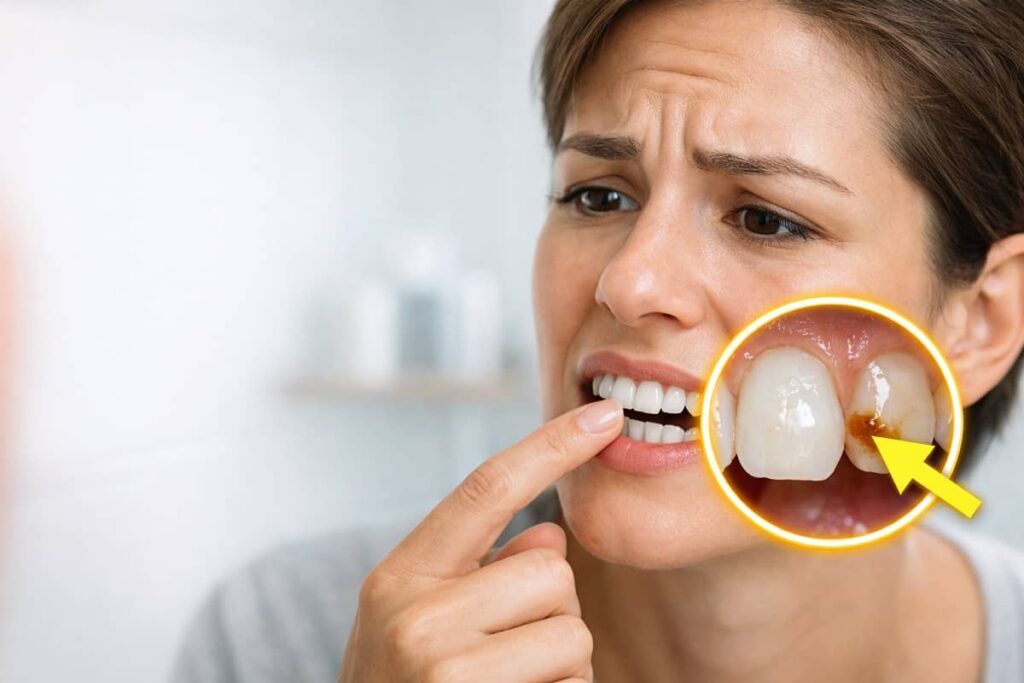
Brown spots start soft and sticky, darkening to black as decay penetrates deeper into enamel. These stains, often on molars’ chewing surfaces, harbor trapped food and bacteria. Unlike surface stains from coffee, decay-related discoloration digs in, requiring dental cleaning or fillings.
Food Trapping Between Teeth
Food trapping occurs as tiny gaps or fissures widen from enamel loss, catching particles despite flossing. Persistent debris breeds more bacteria, accelerating decay cycles. If brushing and Oral-B floss fail to dislodge it, X-rays may reveal hidden pits.
See more: Bad Tooth Decay: Signs, Fixes & Prevention Guide
Visible Pits or Holes
Visible pits form when softened enamel collapses, creating small craters prone to further breakdown. Touch them gently—they feel jagged and may trap probes during exams. Early fillings halt spread, preserving tooth structure.
Mild Toothache or Pain
Mild toothache signals dentin involvement, with dull aches during chewing or lying down. Unlike gum issues, pain localizes to one tooth and intensifies with pressure. Over-the-counter relief buys time, but see a dentist promptly.
Bad Breath and Foul Taste
Bad breath persists from decay’s bacterial byproducts, even after brushing, often with a metallic taste. Listerine mouthwash temporarily masks it, but treating the source eliminates the odor permanently.
Why Early Detection Matters
Detecting early signs of tooth decay prevents minor issues from escalating into costly, painful problems that threaten oral health. Timely action allows remineralization or simple fillings, saving teeth and avoiding emergencies like root canals. Ignoring symptoms risks widespread damage, higher expenses, and systemic health links to heart disease.
Complications If Untreated
Untreated tooth decay advances to dentin, then pulp infection, causing throbbing abscesses, swelling, and fever. Advanced stages lead to tooth fractures, gum disease, or extractions, with cavities spreading to neighboring teeth. Studies show untreated cases double treatment costs and increase diabetes risks via chronic inflammation. Early intervention with Crest fluoride stops this cascade, preserving natural smiles.
See more: Tooth Decay Odor: Why Your Breath Smells “Rotten” & How to Fix It
Prevention Tips to Stop Decay Early
Preventing tooth decay focuses on disrupting bacterial acids through consistent habits and protective products, often reversing early signs like white spots. Simple daily changes reduce plaque buildup by up to 50%, keeping enamel strong and minimizing dentist visits. Integrating trusted brands enhances these efforts for long-term oral health.
Best Oral Hygiene Practices
Brush twice daily for two minutes with a soft-bristled electric brush like Oral-B, angling at 45 degrees to clean below the gumline. Floss nightly to remove interdental plaque, and use antimicrobial mouthwash such as Listerine to kill bacteria. Tongue scraping eliminates odor-causing films, while regular dental cleanings every six months catch hidden issues early.
See more: Does Suboxone Cause Tooth Decay? Dentists Explain
Top Brands for Protection
Colgate Total fights plaque with stannous fluoride, proven to remineralize enamel and reduce cavities by 24%. Crest Pro-Health offers all-in-one protection against sensitivity and acid erosion. Sensodyne Pronamel strengthens weakened enamel, ideal for white chalky spots. Aquafresh multi-action formulas target food trapping, while Oral-B brushes with pressure sensors prevent overbrushing damage.
Diet Changes and Fluoride Use
Limit sugary snacks and sodas to mealtimes, opting for water or cheese to neutralize acids. Chew sugar-free gum with xylitol post-meals to boost saliva flow. Apply fluoride varnish or gels from brands like Crest weekly at home, and use prescription-strength rinses if decay-prone. These steps promote remineralization, halting demineralization before pits form.
When to See a Dentist
Schedule a dental visit promptly if early signs of tooth decay persist beyond a week despite improved hygiene, as home remedies can’t always reverse damage. Professional evaluation with X-rays detects hidden cavities early, preventing escalation to root canals or extractions. Delaying worsens pain and costs, but timely care restores health affordably.
Urgent Symptoms Requiring Immediate Care
Seek emergency help for severe toothache, swelling, fever, or pus—signs of pulp infection or abscess from advanced tooth decay. Sudden intense tooth sensitivity to hot/cold that lingers, or broken teeth exposing nerves, demand same-day attention. Nighttime pain disrupting sleep signals urgent dentin involvement.
What to Expect During Your Visit
Dentists examine visually, probe for pits, and use X-rays to map decay depth, often applying fluoride or fillings on-site. Colgate or Crest recommendations may follow, with cleanings to remove plaque. Bi-annual checkups catch issues before symptoms, ensuring proactive protection for your smile.
Conclusion
Spotting early signs of tooth decay like white chalky spots, tooth sensitivity, or pits empowers you to act fast with Colgate, Crest, or Oral-B for reversal. Consistent hygiene, fluoride, and diet tweaks halt cavities progression, saving smiles and costs. Don’t wait for mild toothache—book a dentist now for X-rays and protection. Prioritize oral health today; a proactive step prevents painful emergencies tomorrow. Your confident grin awaits!





