


NỘI DUNG
Introduction
Incipient tooth decay, also called incipient caries or white spot lesions, is the earliest stage of tooth decay when enamel begins to lose minerals but a cavity has not yet formed. At this stage, the damage is still reversible if treated promptly. By recognizing incipient tooth decay early, you can protect your teeth without drilling, using proven methods such as fluoride treatments, remineralizing agents, and better oral care habits. This article explains how to spot the warning signs, stop progression, and strengthen enamel naturally—helping you preserve a healthy smile and avoid costly dental procedures in the future.
What Is Incipient Tooth Decay?
Incipient tooth decay—also known as incipient caries, early tooth decay, or white spot lesions—refers to the first stage of dental decay, when the enamel demineralization process has begun but no visible cavity has formed. At this reversible point, remineralization treatments and improved oral habits can often stop or even reverse early tooth decay, making early detection critical.
Definition & Terminology (Incipient Caries, White Spot Lesions, Initial Enamel Lesions)
Dentists use the term incipient caries to describe an initial enamel lesion caused by acid-producing bacteria such as Streptococcus mutans. These acids dissolve minerals like calcium and phosphate in the enamel, creating white spot lesions—chalky, opaque areas that signal enamel demineralization. Unlike advanced decay, incipient tooth decay remains on the enamel surface and has not penetrated the dentin, meaning it can often be reversed without drilling.
How It Differs from Cavities & Advanced Decay
A cavity forms when demineralization continues unchecked and enamel breaks down, exposing the dentin beneath. In contrast, incipient caries stay confined to the outer enamel and are usually non-cavitated caries. Because the enamel surface remains intact, reverse early tooth decay is possible through targeted fluoride treatment, professional dental sealants, or remineralizing agents like nano-hydroxyapatite. Early intervention prevents the need for fillings and helps maintain natural tooth structure.
The Science behind Demineralization & Remineralization
Your teeth constantly undergo two opposite processes: demineralization, where acids from dental plaque dissolve minerals, and remineralization, where saliva, fluoride, and calcium-rich nutrients restore them. Factors like frequent sugar intake, acidic drinks, or dry mouth tip the balance toward demineralization, accelerating incipient tooth decay. Strengthening enamel with fluoride varnish, fluoride toothpaste, or remineralizing products encourages natural repair, helping reverse the damage before a cavity forms.
Understanding these stages of incipient tooth decay empowers you to act early—using proven preventive dentistry strategies to protect your smile and avoid invasive dental treatments.
Causes & Risk Factors
Incipient tooth decay develops when the delicate balance between enamel demineralization and remineralization shifts toward mineral loss. Understanding the key causes and risk factors helps you take early action to reverse early tooth decay and protect your smile.
Bacterial Activity & Acid Formation
The main culprit behind incipient caries is acid-producing bacteria, particularly Streptococcus mutans and Lactobacillus. These bacteria thrive in dental plaque, a sticky biofilm that forms when food particles and saliva combine. Every time you consume sugary snacks or acidic drinks, bacteria metabolize the sugars and release acids. Over time, these acids lower the mouth’s pH and trigger enamel demineralization, creating white spot lesions—the first visible sign of early tooth decay.
Poor Oral Hygiene Practices & Plaque Accumulation
Inadequate brushing or flossing allows dental plaque to remain on the teeth, providing a breeding ground for harmful bacteria. Skipping daily flossing, brushing less than twice a day, or using a low-fluoride toothpaste significantly increases the risk of non-cavitated caries. Consistent, proper oral hygiene habits—including fluoride toothpaste, mouthwash, and professional cleanings—are vital to prevent incipient tooth decay from progressing into cavities.
See more: Black Seed Oil for Tooth Infection: Natural Relief & Care
Diet, Sugars, and Acidic Foods & Drinks
A diet rich in refined sugars, frequent snacking, or sipping on soda, energy drinks, and fruit juices exposes enamel to a constant acid attack. Each exposure prolongs the demineralization phase and limits remineralization time. Acidic foods like citrus fruits or vinegar-based dressings can also erode the enamel surface, making it more vulnerable to early tooth decay. Choosing water, dairy products, and tooth-friendly snacks helps rebalance the oral environment and encourages remineralization.
Dry Mouth / Saliva Problems
Healthy saliva flow plays a crucial role in neutralizing acids and delivering minerals such as calcium and phosphate to teeth. Conditions like xerostomia (dry mouth), often caused by medications, dehydration, or health issues, drastically reduce this natural protection. Without adequate saliva, incipient caries can develop quickly. Chewing sugar-free gum, staying hydrated, and using fluoride mouth rinses or saliva substitutes can help maintain moisture and reverse early tooth decay.
Other Factors: Age, Genetics, and Fluoride Exposure
Certain genetic factors, including naturally weaker enamel or crowded teeth, may predispose individuals to initial enamel lesions. Children and teenagers are particularly vulnerable due to thinner enamel and changing oral habits, while older adults may face increased risk from gum recession and medications that cause dry mouth. Insufficient fluoride exposure, whether from drinking water or dental products, also raises the likelihood of white spot lesions and non-cavitated caries.
Signs & Diagnosis
Recognizing incipient tooth decay in its earliest stage is the key to reversing early tooth decay before it turns into a full cavity. At this point, the enamel surface is still intact, making professional treatment and remineralization highly effective. Here’s how to identify warning signs and how dental professionals confirm the presence of incipient caries.
Visual Signs: White Spots, Chalky Patches, and Enamel Changes
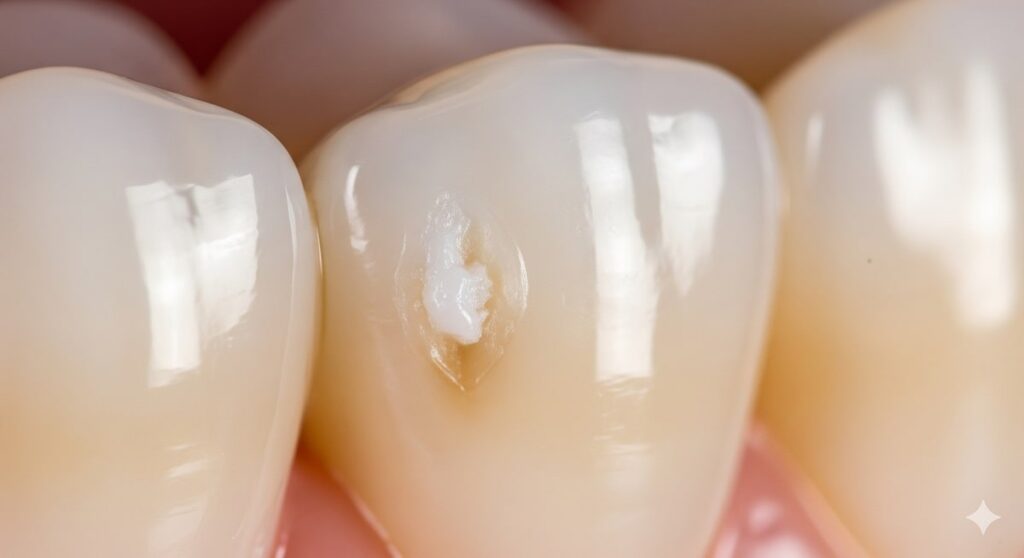
One of the most common indicators of incipient tooth decay is the appearance of white spot lesions—chalky, opaque areas on the enamel where demineralization has begun. These initial enamel lesions may feel rough or dull and are usually found along the gumline, between teeth, or around orthodontic brackets. In some cases, mild discoloration can progress from white to light brown if enamel demineralization continues. Because the enamel is still intact, these non-cavitated caries can often be reversed through fluoride treatment, remineralizing agents, and improved oral hygiene.
Symptoms You Might Notice: Sensitivity and Early Discomfort
Although incipient caries are usually painless, subtle signs can alert you to a problem. You might experience mild tooth sensitivity to cold, sweet, or acidic foods and drinks. A faint roughness or slight change in tooth texture may also be noticeable when cleaning your teeth. People with dry mouth or frequent sugar intake are more likely to feel these early symptoms. Addressing these discomforts with fluoride toothpaste, fluoride mouth rinses, or professional dental sealants can help reverse early tooth decay before it advances.
See more: Bentonite Clay for Cavities: Natural Tooth Remineralization and Oral Detox
Tools Professionals Use: ICDAS, Visual-Tactile Exams, and Imaging
Dentists rely on advanced diagnostic tools to confirm incipient tooth decay and assess its severity. A standard visual-tactile exam uses mirrors and probes to detect white spot lesions or surface changes. The International Caries Detection and Assessment System (ICDAS) provides a standardized scale to classify initial enamel lesions and determine the best treatment plan. For areas between teeth or beneath the surface, digital X-rays or fiber-optic transillumination help detect non-cavitated caries that may not be visible to the naked eye. These precise methods ensure early intervention with fluoride varnish, remineralization agents, or minimally invasive treatments.
Treatment & Reversal Options
The good news about incipient tooth decay is that it can often be reversed without drilling if addressed early. By understanding proven treatment and reversal options, you can halt enamel demineralization, encourage remineralization, and protect your natural teeth.
Non-Invasive Treatments: Fluoride & Remineralizing Agents
One of the most effective strategies to reverse early tooth decay is professional fluoride treatment. Dentists may apply fluoride varnish, fluoride gel, or prescribe high-fluoride toothpaste to strengthen the enamel and stop white spot lesions from developing into cavities. Daily use of fluoride mouth rinses supports ongoing remineralization, helping to rebuild lost minerals like calcium and phosphate.
Other remineralizing agents, such as calcium phosphate pastes, nano-hydroxyapatite toothpaste, and casein phosphopeptide-amorphous calcium phosphate (CPP-ACP), further enhance enamel repair. These products work by supplying key minerals directly to weakened areas, giving enamel a chance to heal naturally. When combined with excellent oral hygiene habits—brushing twice daily, flossing, and regular professional cleanings—these treatments create the ideal environment for non-cavitated caries to heal.
Minimally Invasive & Emerging Therapies
When incipient caries are persistent or at higher risk of progression, dentists may recommend minimally invasive treatments to stabilize and seal affected enamel. Dental sealants protect vulnerable pits and fissures from bacteria and acids, while resin infiltration can halt further enamel demineralization by penetrating and reinforcing weakened enamel without drilling.
For specific cases, silver diamine fluoride (SDF) offers both antibacterial and remineralizing effects, particularly helpful for children and patients seeking non-drilling solutions. Emerging technologies, such as bioactive glass and peptide-based remineralization therapies, are also being explored to further reverse early tooth decay and strengthen tooth structure.
See more: Rapid Weight Loss and Tooth Decay: What You Need to Know
When Intervention Is Needed vs. Monitoring
Not all incipient tooth decay requires immediate treatment. If a lesion is small, stable, and protected by strong fluoride exposure and good oral care, dentists may recommend active monitoring. This involves regular checkups, dietary counseling to reduce sugar and acid intake, and professional cleanings to maintain a balanced oral environment.
However, if the lesion shows signs of progression—such as spreading white spot lesions, surface roughness, or new tooth sensitivity—prompt professional intervention is critical. Acting early with fluoride treatment, dental sealants, or resin infiltration prevents the decay from advancing to a cavitated stage that would require fillings or more invasive dental procedures.
Prevention: Daily Habits & Long-Term Strategies
Preventing incipient tooth decay is far easier—and far less costly—than treating cavities later. By adopting science-backed daily habits and long-term strategies, you can maintain strong enamel, encourage remineralization, and significantly reduce the risk of white spot lesions and non-cavitated caries.
Oral Hygiene: Brushing, Flossing, and Tongue Cleaning
Consistent oral hygiene habits form the foundation of early tooth decay prevention. Brush twice daily with a fluoride toothpaste to remove dental plaque and neutralize acids that drive enamel demineralization. Use fluoride mouth rinses at night to protect against bacteria while you sleep. Daily flossing or the use of floss picks cleans areas where toothbrush bristles can’t reach, stopping incipient caries from developing between teeth. Don’t forget tongue cleaning, which removes bacteria and helps maintain a balanced oral microbiome that supports remineralization.
Diet: Reducing Sugars, Acidic Foods, and Snacking Habits
What you eat—and how often you eat—directly influences your risk of incipient tooth decay. Frequent snacking and sugary or acidic drinks such as soda, energy drinks, and fruit juice feed acid-producing bacteria like Streptococcus mutans. Each exposure prolongs demineralization and weakens enamel. Choose tooth-friendly snacks like cheese, nuts, and crunchy vegetables, and drink plenty of water to wash away food particles. Limiting acidic foods and spacing out meals allows natural saliva flow to neutralize acids and support remineralization.
Fluoride Use & Remineralizing Products
Fluoride remains one of the most effective tools to reverse early tooth decay. Regular use of fluoride toothpaste, fluoride varnish, or professional fluoride treatments strengthens enamel and repairs white spot lesions. For added protection, consider remineralizing agents such as nano-hydroxyapatite toothpaste or calcium phosphate pastes, which supply essential minerals to reinforce weakened enamel. Combining these treatments with excellent oral hygiene helps maintain long-term enamel strength and keeps incipient caries from progressing.
See more: Can Decayed Tooth Cause Headache? Signs, Relief & Prevention
Dental Sealants & Regular Professional Check-ups
Professional care plays a critical role in preventing incipient tooth decay. Dental sealants applied to molars create a protective barrier over deep grooves where plaque and acids can accumulate. Scheduling regular dental check-ups—ideally every six months—allows early detection of initial enamel lesions using tools like ICDAS and digital X-rays. Your dentist can recommend personalized strategies, from dietary counseling to silver diamine fluoride applications, to keep non-cavitated caries under control.
When to See a Dentist / Professional Help
Even with excellent home care, incipient tooth decay can progress if left unchecked. Knowing when to see a dentist ensures early tooth decay treatment and maximizes the chance to reverse incipient caries before they become permanent cavities. Timely professional care protects your natural enamel and prevents costly, invasive dental procedures.
Warning Signs That Need Immediate Attention
Although incipient caries are often painless, certain changes signal the need for prompt dental evaluation. Watch for white spot lesions that grow larger, develop brown edges, or feel rough to the tongue. Increasing tooth sensitivity to hot, cold, or sweet foods suggests that enamel demineralization may be advancing. Persistent dry mouth, visible plaque buildup, or recurring bad breath are additional red flags. If you notice these symptoms, schedule a professional dental check-up as soon as possible to prevent early tooth decay from turning into cavities.
See more: 4-Year-Old Tooth Decay: Safe Home Treatment & What Parents Must Know
What the Dentist Will Do: Diagnosis, Monitoring, and Treatment
During your visit, the dentist will perform a thorough visual-tactile exam and may use diagnostic tools like ICDAS, digital X-rays, or fiber-optic transillumination to detect hidden non-cavitated caries. If the lesion is stable, the dentist might recommend active monitoring, including regular cleanings and home care adjustments to encourage remineralization. For areas at risk of progression, professional fluoride varnish, remineralizing agents, or dental sealants can stop decay and reverse early tooth decay. In some cases, resin infiltration or silver diamine fluoride (SDF) treatments provide minimally invasive protection without drilling.
The Role of Ongoing Professional Care
Routine dental check-ups—ideally every six months—are crucial for long-term prevention of incipient tooth decay. Professional cleanings remove hardened plaque and tartar that daily brushing can’t reach, while tailored fluoride applications and dietary guidance help maintain strong enamel. Your dentist can also recommend high-fluoride toothpaste, fluoride mouth rinses, or nano-hydroxyapatite toothpaste to strengthen areas of early enamel demineralization. Consistent professional oversight ensures that any new white spot lesions are caught early, making them far easier to treat.
Myths, Misconceptions & Common Questions
Despite strong dental research, many myths still surround incipient tooth decay. Misunderstandings about early tooth decay treatment, white spot lesions, and remineralization can delay care and allow incipient caries to progress. Clearing up these misconceptions empowers you to reverse early tooth decay and protect your smile effectively.
“White Spots Always Lead to Cavities” – True or False?
A common belief is that white spot lesions are guaranteed to become cavities. In reality, incipient caries are non-cavitated caries, meaning the enamel surface remains intact and reversal is possible. With proper fluoride treatment, remineralizing agents like nano-hydroxyapatite toothpaste, and improved oral hygiene habits, many initial enamel lesions can heal completely. However, neglecting these spots—especially with a high-sugar diet or dry mouth—can tip the balance toward enamel demineralization and eventually create a permanent cavity.
“You Can’t Reverse Decay Once You See a White Spot” – Correct or Not?
Another misconception is that once incipient tooth decay is visible, the damage is irreversible. In fact, the remineralization process can repair early tooth decay if caught in time. Daily use of fluoride toothpaste, regular professional dental check-ups, and treatments like fluoride varnish, dental sealants, or resin infiltration can effectively reverse early tooth decay and stop bacteria from progressing deeper into the tooth.
Natural Remedies Work the Same as Fluoride
Some believe that natural remedies alone—such as oil pulling or herbal rinses—can halt incipient caries. While these habits may help reduce bacteria and freshen breath, they cannot replace the proven effects of fluoride and calcium phosphate-based remineralization agents. Evidence-based products like high-fluoride toothpaste, fluoride mouth rinses, and CPP-ACP pastes remain the gold standard for repairing enamel demineralization and protecting against non-cavitated caries.
“If There’s No Pain, There’s No Problem”
Because incipient tooth decay rarely causes pain, many people assume there is no urgent need to visit a dentist. Unfortunately, the absence of discomfort does not mean your teeth are safe. Initial enamel lesions can silently grow until they reach dentin, where cavities form and pain begins. Regular professional dental check-ups, including ICDAS assessments and digital X-rays, are essential to catch early tooth decay before it becomes irreversible.
Conclusion
Addressing incipient tooth decay early is the best way to protect your teeth and avoid costly dental work. By spotting white spot lesions, practicing excellent oral hygiene habits, and using proven solutions such as fluoride treatment, remineralizing agents, and dental sealants, you can reverse early tooth decay and keep your enamel strong. Regular professional dental check-ups ensure that any incipient caries are monitored and treated promptly. Remember, prevention and timely action are key—take charge of your oral health now to stop incipient tooth decay and maintain a bright, healthy smile for years to come.





