


Iodine has gained attention in dental care for its promising role in iodine tooth decay prevention. Unlike traditional fluoride treatments, iodine offers powerful antimicrobial properties that target cavity-causing bacteria effectively. Recent studies show that applying iodine topically can reduce decay, making it a valuable addition to oral health routines. Its ability to complement fluoride makes iodine an exciting natural option for protecting teeth and gums. Understanding how iodine works can help people maintain stronger, healthier smiles by preventing tooth decay more naturally and safely. This article Homedental explores the benefits and practical uses of iodine for dental health.
NỘI DUNG
Introduction to Iodine and Oral Health
What is Iodine? Role in the Body and Oral Health
Iodine is a natural, essential element widely recognized for its critical function in maintaining thyroid health and overall metabolic balance. Beyond supporting thyroid hormones, iodine plays a significant role in oral health by contributing to the prevention of dental diseases like tooth decay and gum disease. This connection is largely due to iodine’s powerful antimicrobial properties, which help reduce harmful oral bacteria, especially Streptococcus mutans, a primary contributor to cavities. Adequate iodine levels also support saliva production, crucial for protecting teeth against decay by neutralizing acids and washing away food particles, making it a valuable element in iodine tooth decay prevention naturally and effectively.
Historical Use of Iodine in Dentistry
The use of iodine in dental care dates back over 150 years, with growing modern interest in its ability to enhance oral health alongside traditional treatments like fluoride. In the past, iodine was utilized as an antiseptic in mouth rinses and topical applications to combat oral infections. Recent research highlights that combining iodine with fluoride may amplify decay prevention benefits by targeting a broader spectrum of oral pathogens while supporting oral tissue health. The resurgence of iodine in dentistry reflects its proven efficacy in reducing dental plaque and biofilms, positioning iodine as an important player in holistic dental care and natural cavity prevention strategies.
Semantically Related Concepts and Benefits
Besides its antibacterial action, iodine also supports the immune system and helps modulate inflammation in the oral cavity. Its antioxidant effects protect oral tissues from oxidative stress, a factor linked to chronic gum diseases. Iodine deficiency, which remains prevalent worldwide, can lead to dry mouth and compromised oral mucosa, conditions that increase susceptibility to cavities and periodontal issues. Ensuring sufficient iodine intake through diet—rich in iodine-rich foods like seafood, seaweed, and iodized salt—or through supplements can bolster dental defenses. This holistic approach integrates iodine into preventive dental care naturally, providing benefits that extend beyond just cavity prevention to overall oral hygiene and wellness.
How Iodine Helps Prevent Tooth Decay
Iodine’s Antimicrobial Properties Against Oral Bacteria
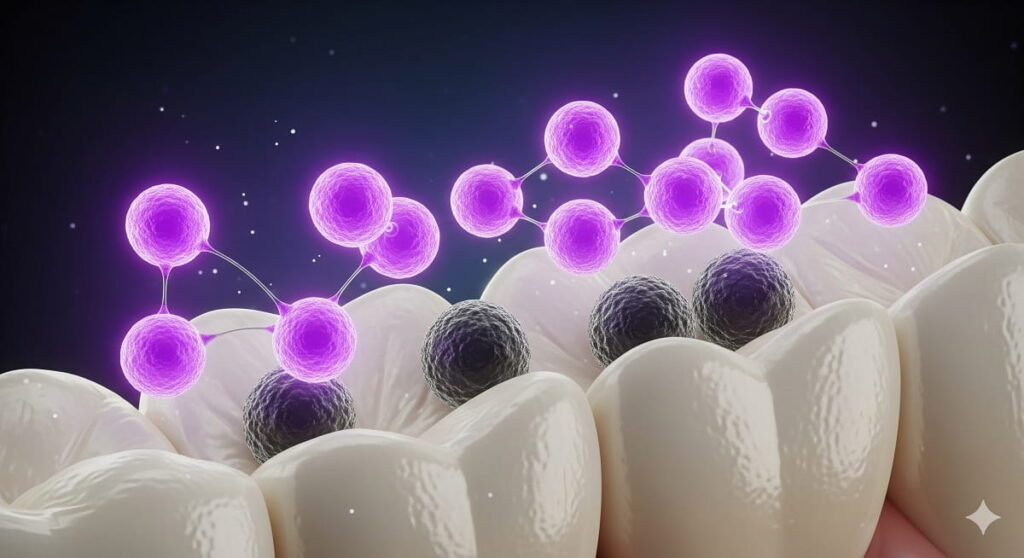
Iodine plays a crucial role in tooth decay prevention primarily through its potent antimicrobial properties. When applied topically in the oral cavity, iodine releases active agents that effectively kill or inhibit the growth of harmful bacteria, especially Streptococcus mutans, the main bacterium responsible for forming cavities. This antimicrobial effect disrupts the bacteria’s ability to produce sticky plaque by inhibiting enzymes like glucosyltransferase, which convert sugars into the sticky extracellular matrix that allows bacteria to adhere to teeth. By interfering with this process, iodine helps reduce dental plaque formation and limits harmful acid production, protecting the tooth enamel from demineralization.
Comparison: Iodine vs Fluoride in Decay Prevention
While fluoride has long been the gold standard in dental care for enhancing enamel remineralization and preventing demineralization, iodine offers complementary benefits. Unlike fluoride, which strengthens teeth internally, iodine acts as an external antimicrobial agent targeting the disease-causing bacteria directly. Recent research shows that combining topical iodine with fluoride varnishes may produce superior protection against dental caries, as fluoride restores mineral content while iodine reduces bacterial load. This dual action presents a promising advancement in preventive dental treatments. Moreover, iodine’s natural cavity prevention properties position it as a viable option for patients seeking alternatives or adjuncts to fluoride-based products.
See more: Can Antibiotics Cause Tooth Decay in Adults? What You Need to Know
Scientific Evidence Supporting Iodine Use in Dental Care
Growing scientific evidence supports iodine’s role in oral health protection and cavity prevention. Studies demonstrate that povidone-iodine solutions, when applied periodically, reduce the incidence of new cavities, particularly in children prone to early childhood caries. Iodine’s unique mechanism involves a sustained release that remains effective even after saliva dilution, ensuring ongoing bacterial inhibition. Clinical trials comparing topical fluoride treatments alone versus combined topical fluoride and iodine demonstrate that the addition of iodine provides a measurable decrease in tooth decay rates. This emerging data reinforces iodine’s position as an effective, safe, and affordable agent in minimally invasive dental care protocols aimed at reducing the need for extensive restorative procedures.
Iodine Deficiency and Its Impact on Dental Health
Link Between Iodine Deficiency and Increased Tooth Decay
Iodine deficiency significantly impacts oral health by contributing to a higher risk of tooth decay and other dental problems. Insufficient iodine disrupts normal thyroid function, leading to endocrine imbalances that cause symptoms such as dry mouth or xerostomia, which reduces saliva flow. Saliva is essential for maintaining the natural balance of the oral microbiome and neutralizing acids produced by bacteria. Without adequate saliva, the mouth becomes more susceptible to bacterial plaque accumulation and enamel erosion, increasing cavities and gum disease risk. Thus, maintaining proper iodine levels is a vital part of iodine tooth decay prevention strategies and holistic dental care.
Symptoms of Oral Health Issues From Iodine Deficiency
Iodine deficiency can also lead to several notable oral health symptoms beyond decay. These include mouth breathing, changes in jaw development like small jaws and anterior bite complications, and a swollen tongue. Such structural changes increase the risk for dental misalignment and can worsen breathing problems associated with sleep apnea, often requiring professional dental intervention. Additionally, iodine deficiency may delay tooth eruption in children and compromise overall periodontal health by weakening immune response mechanisms in the gums. Addressing iodine deficiency helps mitigate these oral issues by restoring balanced micronutrient status critical to maintaining oral tissue health.
Importance of Adequate Iodine Intake for Oral Health
Preventing iodine deficiency is crucial for maintaining strong and healthy teeth and gums. Natural dietary sources of iodine such as seafood, seaweed, iodized salt, and vegetables grown in mineral-rich soils provide essential micronutrients that support oral and systemic health. In cases of inadequate intake, iodine supplements formulated to meet daily nutritional needs can be beneficial. By ensuring sufficient iodine intake, individuals enhance their natural defenses against bacterial infections, tooth decay, and gum inflammation, reinforcing iodine’s role in preventive dental health and overall wellness.
See more: Can Tooth Decay Cause Dizziness? Understanding the Connection
Practical Ways to Use Iodine for Dental Health
Iodine-Containing Oral Care Products (Mouthwashes, Gels)
One of the most effective and popular ways to harness the benefits of iodine for dental health is through iodine-containing oral care products such as mouthwashes and gels. Products formulated with povidone-iodine (PVP-I) provide a broad-spectrum antimicrobial effect that targets cavity-causing bacteria like Streptococcus mutans and reduces dental plaque formation. Using iodine mouthwash as a pre-rinse or daily oral rinse can significantly lower bacterial loads, helping prevent tooth decay and gum infections. These products are available over the counter or via dental prescription and are valued for their safety and effectiveness as part of a comprehensive oral hygiene routine.
Dietary Sources and Supplements for Iodine Intake
In addition to topical applications, maintaining adequate systemic iodine levels through dietary sources is essential for optimal oral health. Natural sources rich in iodine include seaweed, seafood, dairy products, and iodized salt, which support both thyroid function and the oral cavity’s resistance to infection. For individuals with insufficient dietary iodine intake, iodine supplements can be an effective way to prevent iodine deficiency that contributes to tooth decay and other dental problems. Supplements should be taken under medical guidance to avoid excessive intake and ensure balanced nutritional support for dental health.
Application Techniques and Frequency for Optimal Results
For topical iodine use, proper application techniques maximize benefits while maintaining safety. Dental professionals typically apply povidone-iodine using a cotton swab or brush, targeting high-risk areas such as tooth fissures, proximal surfaces, and gum margins. Holding the iodine solution on the teeth for about 10 seconds allows for capillary action to penetrate areas where bacteria thrive. This procedure can be performed alongside the application of fluoride varnish for enhanced protection. For home use, low-concentration iodine mouthwashes are recommended for daily rinsing, but frequency varies depending on individual risk factors. Typically, professional applications occur every 1 to 3 months, while daily at-home use maintains continuous antimicrobial protection.
Safety Considerations and Precautions
While iodine is generally safe for dental applications, it is important to be aware of safety considerations and avoid overuse. Some individuals may experience sensitivity or allergic reactions, and excessive iodine intake can impact thyroid health negatively. Patients with known iodine allergies, thyroid disorders, or pregnant women should consult their healthcare provider before introducing iodine-based oral care products. Proper dosing and avoiding prolonged excessive use ensure that iodine dental treatments remain beneficial without adverse effects, making iodine a secure adjunct in minimally invasive dental care.
See more: Silver Nitrate for Tooth Decay: Safe, Effective Cavity Treatment
Safety and Precautions When Using Iodine for Oral Care
Possible Side Effects and Allergic Reactions
Although iodine is widely regarded as safe in oral care, it may cause certain side effects or allergic reactions in some individuals. Common mild side effects include a metallic taste, soreness of teeth and gums, and a slight burning sensation in the mouth or throat after using iodine-based products like mouthwashes or gels. In rare cases, people may experience iodine dermatitis or hypersensitivity, resulting in irritation or rash, making it essential to perform a patch test before regular use. Patients with known iodine allergies should avoid iodine oral products to prevent adverse reactions.
Recommended Dosage and Use Guidelines
For effective and safe iodine tooth decay prevention, adhering to recommended dosages and application frequencies is crucial. For topical oral use, povidone-iodine solutions are generally used in concentrations of 1% to 10%, with typical application intervals ranging from daily at-home rinses to professional treatments every 1 to 3 months, depending on individual decay risk. Avoid excessive or prolonged use, as high-dose or long-term usage can lead to systemic absorption, potentially causing iodine toxicity or thyroid dysfunction. Children, pregnant women, and those with thyroid conditions should use iodine oral care products under professional supervision.
Precautions for Specific Groups
Certain population groups require special attention regarding iodine oral care. Pregnant and breastfeeding women should limit iodine intake to recommended levels to prevent potential effects on fetal or infant thyroid function. For children, age-appropriate iodine dosages must be followed to avoid excess intake that could interfere with growth and development. Those with pre-existing thyroid disorders—including hypothyroidism, hyperthyroidism, or autoimmune thyroid diseases—should consult healthcare providers before using iodine products, as iodine may exacerbate these conditions. Additionally, avoid use in infants under two years unless prescribed.
Safe Storage and Handling
Proper storage and handling of iodine-based dental products ensures efficacy and safety. Store iodine solutions in a cool, dark place, away from direct sunlight and heat to prevent degradation. Always use according to package directions or professional advice, and avoid contact with eyes or open wounds unless specified. In case of accidental swallowing or excessive exposure, seek medical attention promptly. Keeping iodine products out of children’s reach and avoiding contamination by not sharing personal oral care items is part of responsible and safe use.
See more: Bad Taste in Mouth: Is Tooth Decay the Hidden Cause?
The Future of Iodine in Oral Health Treatments
Emerging Innovations in Iodine Dental Applications
The future of iodine in oral health treatments looks promising with several innovations advancing its use beyond conventional applications. Continuous-release iodine systems integrated into dental unit waterlines help maintain a sterile environment by preventing bacterial contamination, significantly reducing biofilm formation and cross-infection risks during dental procedures. Such systems exemplify the move toward minimally invasive dental care supported by cutting-edge technology. Researchers are also exploring novel iodine formulations, such as iodine-incorporated resins and iodophors, to provide sustained antimicrobial activity in restorative materials and oral coatings, enhancing long-term protection against tooth decay and periodontal infections.
Integration with Digital and Personalized Dental Care
The integration of iodine treatments with digital dentistry and personalized oral care represents a critical growth area. Advances in artificial intelligence (AI) and machine learning allow clinicians to design customized treatment plans rooted in patient-specific data, including oral microbiome profiles and cavity risk assessments. These technologies optimize the timing and concentration of iodine applications tailored to individual needs, improving outcomes in preventive dental health. Through personalized medicine, iodine’s natural antibacterial properties can be leveraged more effectively to reduce microbial resistance and improve patient compliance with oral hygiene regimens.
Expansion of Preventive and Therapeutic Roles
Iodine’s future in dentistry is increasingly focused on expanding its preventive and therapeutic roles beyond traditional antisepsis. Ongoing clinical trials are investigating iodine’s efficacy in managing early childhood caries, treating oral candidiasis, and supporting wound healing post dental surgeries. Combined iodine-fluoride varnishes show enhanced benefits, marrying remineralization with potent microbial control. Iodine-based therapies are expected to form an essential component of new comprehensive oral health programs aiming to reduce dental decay globally, especially in underserved populations where access to traditional fluoride treatments may be limited.
Sustainability and Safety Improvements
Future developments also emphasize making iodine oral care safer and more sustainable. Novel delivery systems aim to minimize iodine exposure risks while maximizing antimicrobial effects. These include smart-release capsules activated by specific oral conditions or biodegradable iodine products with reduced environmental impact. Research also continues to refine dosage guidelines to prevent iodine overload or thyroid interference while maintaining effective cavity prevention. As regulatory authorities acknowledge iodine’s safety profile, wider approval for various iodine-based dental products is anticipated, promising increased accessibility and acceptance in mainstream dentistry.
Conclusion and Takeaways on Iodine and Tooth Decay
Iodine tooth decay prevention is an emerging and promising approach in oral health care. Its unique antimicrobial properties effectively target cavity-causing bacteria, complementing traditional fluoride treatments. Adequate iodine intake through diet and the use of topical iodine products can protect teeth from decay, reduce plaque, and promote overall oral hygiene. With growing scientific support and innovative applications, iodine holds great potential as a natural, safe, and effective tool for fighting tooth decay and enhancing dental health worldwide. Incorporating iodine into oral care routines offers a powerful step toward healthier smiles.





