


Silver nitrate is gaining recognition as an effective treatment for silver nitrate tooth decay due to its powerful antibacterial properties. This non-invasive solution helps stop the progression of cavities by killing decay-causing bacteria and protecting the tooth structure. Ideal for both children and adults, silver nitrate offers a simple, painless alternative to traditional drilling and fillings. It works by penetrating the affected areas to prevent further damage while promoting oral health. Understanding how silver nitrate tooth decay treatment works can help patients make informed decisions for a safer and more comfortable dental care experience.
NỘI DUNG
What Is Silver Nitrate and How Does It Work?
Chemical Properties of Silver Nitrate (AgNO3)
Silver nitrate (AgNO3) is a highly effective silver compound used in dentistry with strong antimicrobial and chemical properties. When applied to a decayed tooth, silver nitrate reacts with the tooth’s hydroxyapatite, forming substances like silver phosphate and silver oxide, which create a hostile environment for bacteria that cause cavities. This reaction also leads to precipitates that help strengthen the weakened tooth structure while inhibiting further demineralization.
Mechanism of Action Against Tooth Decay
The powerful action of silver nitrate tooth decay treatment lies primarily in its ability to kill decay-causing bacteria by disrupting their metabolic processes. Silver ions interfere with bacterial proteins and enzymes, especially by binding to thiol groups, which disables vital bacterial functions. Simultaneously, silver nitrate forms insoluble compounds on the tooth surface, sealing dentinal tubules and preventing bacterial invasion. This process effectively arrests and halts cavity progression without invasive drilling.
Moreover, silver nitrate enhances tooth enamel’s resistance by contributing to precipitates that reinforce tooth remineralization, creating a physical and chemical barrier against further bacterial biofilm formation. These antimicrobial and remineralizing effects make silver nitrate a promising non-invasive cavity treatment option, especially suitable for children and patients avoiding traditional fillings.
Natural saliva’s buffering action supports maintaining a balanced pH, allowing silver nitrate reactions to stabilize and provide prolonged antimicrobial effects. Though it may cause temporary dark discoloration on decayed areas, this is an indicator the treatment is working by arresting dental caries and protecting the tooth.
Benefits of Silver Nitrate in Treating Tooth Decay
Antimicrobial Effects on Cariogenic Bacteria
One of the most significant benefits of silver nitrate tooth decay treatment is its strong antimicrobial effect. The silver ions in silver nitrate aggressively kill decay-causing bacteria by binding to their proteins and enzymes, disrupting bacterial metabolism and preventing further growth. This non-invasive cavity treatment effectively halts the active progression of dental caries by removing the bacterial threat. Unlike traditional drilling and filling methods, this approach allows the tooth to stabilize and provides a safer, less painful alternative for patients, especially children and those with dental anxiety.
Ability to Harden and Protect Tooth Structure
Beyond bacteria elimination, silver nitrate also promotes the hardening of the tooth structure through chemical reactions that reinforce enamel and dentin. Upon application, silver nitrate forms precipitates that create a protective barrier over the decayed areas, preventing further demineralization and infection. This encourages natural tooth remineralization, helping the tooth regain strength over time. Patients experience a reduction in tooth sensitivity, particularly to heat and cold, which often accompanies dental decay. This benefit is especially important for those seeking non-invasive cavity management without discomfort or extensive dental procedure recovery.
Fast, Painless, and Cost-Effective Treatment
Silver nitrate treatment is praised for its simplicity and speed. The application is quick, usually involving painting the affected tooth area with a silver nitrate solution, often followed by a fluoride varnish to seal the area. This process can treat multiple cavities in minutes without the need for anesthesia, drilling, or injections. For families and individuals seeking an affordable yet effective option, silver nitrate dental treatment reduces the need for costly, invasive restorations. This makes it a practical solution for vulnerable populations, including children, elderly patients, and those with special healthcare needs.
Environmentally Safe and Widely Researched Agent
Silver nitrate has a long history of medical use, and its application in dentistry is well supported by research. It is considered a safe, biocompatible agent that does not introduce harmful chemicals into the body, aligning with modern patient preferences for more natural and low-risk treatments. Studies have shown that silver nitrate combined with fluoride varnish performs comparably to silver diamine fluoride, presenting an effective alternative with similar caries arrest rates. Its ability to work synergistically with saliva and the body’s natural healing processes further underscores its value as an innovative dental care solution.
See more: Does Peroxide Kill Cavities? Facts You Need to Know Now
Silver Nitrate Dental Treatment Procedure
Step-by-Step Application Process
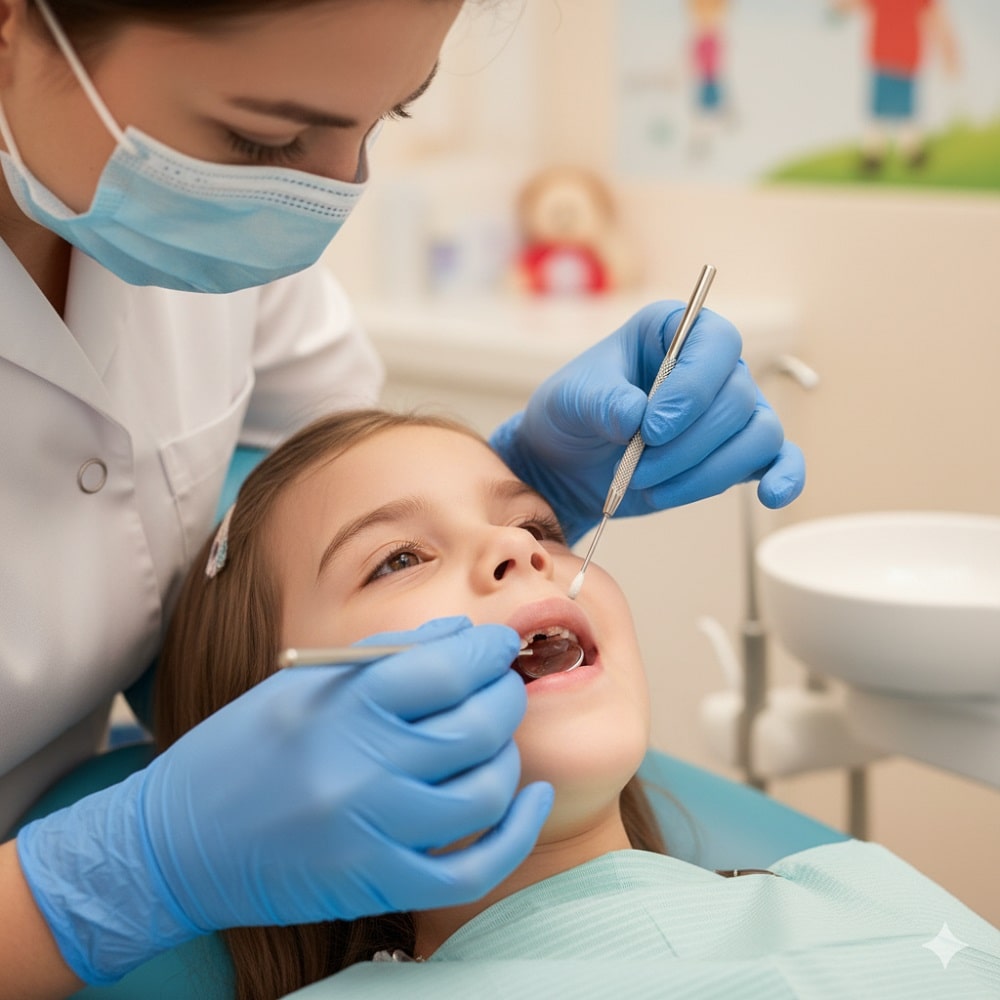
The silver nitrate dental treatment procedure is a minimally invasive, quick method to arrest tooth decay and prevent cavity progression. The process begins with a thorough oral examination to identify areas affected by dental caries. Next, the targeted tooth surface is carefully cleaned to remove debris and plaque, ensuring maximum contact. The tooth is then dried completely to promote adhesion of the silver nitrate solution. Using a small brush or applicator, the silver nitrate solution is carefully painted onto the decayed area. This targeted application allows the silver ions to penetrate and disrupt bacterial activity effectively. After a brief absorption period, a protective layer of fluoride varnish or similar compound is often applied to seal the treated site and enhance tooth remineralization. Patients are advised to avoid eating or drinking for a short period to allow the treatment to take effect.
Suitable Candidates (Children, Adults, Special Cases)
Silver nitrate treatment is especially useful for pediatric dentistry since it offers a painless, non-invasive cavity treatment alternative for children with early childhood caries or cavities who may be apprehensive about conventional dental drills or anesthesia. It is also suitable for adults who prefer to avoid invasive restorative procedures or for those with special health needs where conventional treatment options are limited. Individuals with multiple carious lesions or those at high risk of new decay benefit from this approach because it provides both bacterial control and caries arrest without extensive intervention.
Post-Treatment Care and Follow-Up
After treatment, patients may notice darkening or black staining on the treated tooth surface, indicating effective caries arrest through silver-protein precipitation. Dental professionals recommend regular follow-up visits to monitor the lesion and reapply silver nitrate as necessary, typically every 3 to 6 months depending on decay severity and patient risk factors. Maintaining proper oral hygiene and dietary habits further supports the treatment’s effectiveness. The procedure is well-tolerated due to its simplicity, absence of pain or anesthesia, and ability to rapidly stabilize dental caries progression.
Safety and Side Effects of Silver Nitrate
Potential Risks and Safety Profile
The use of silver nitrate dental treatment is generally considered safe when applied in appropriate, controlled amounts. The typical concentration used is a 25% silver nitrate solution, and a single application involves only a very small quantity, minimizing risk of systemic toxicity. While silver nitrate is a potent antimicrobial agent, it is also a caustic chemical and exposure to large quantities can be harmful. However, clinical dental use involves micro-application with minimal absorption, making the treatment safe for both adults and children. Research indicates no significant cytotoxic effects occur when there is sufficient sound dentine between the carious lesion and the pulp, reducing concerns about damage to underlying tissues.
Common Side Effects and Cosmetic Concerns
One of the most noticeable side effects is the formation of irreversible dark stains on the treated areas of decay, caused by the chemical reaction between silver nitrate and tooth proteins. While this discoloration effectively signals caries arrest, it can be cosmetically unappealing, especially on front teeth, and patients should be informed prior to treatment. Some patients may experience mild, temporary gum irritation or redness if the silver nitrate comes into contact with soft tissues. These effects typically resolve within a few days without intervention. The strong alkaline nature of silver nitrate means accidental contact with mucosal surfaces can cause minor burns, but these are generally small and heal quickly.
See more: Tooth Decay Under Crown: Causes of Black Color & Treatment
Contraindications and Precautions
Patients with a known silver allergy should avoid silver nitrate treatment due to potential allergic reactions. Additionally, it is not recommended for teeth with exposed pulp or active infections involving soft tissue inside the tooth, as silver nitrate could exacerbate the infection or cause irritation. Dentists should assess each patient’s medical and dental history carefully to ensure suitability. The treatment’s safety track record is supported by decades of use in both medicine and dentistry, but care should be taken with application time and concentration to avoid excessive penetration or tissue damage.
See more: Does Sertraline Cause Tooth Decay? What Science Says
Silver Nitrate vs. Silver Diamine Fluoride (SDF)
Similarities Between Silver Nitrate and SDF
Both silver nitrate and silver diamine fluoride (SDF) are widely recognized antimicrobial silver-based treatments used to arrest tooth decay by killing cariogenic bacteria and preventing further enamel and dentin decay. They share the ability to form protective silver compounds that seal dentinal tubules and reduce bacterial infiltration. Both are popular in managing early childhood caries and other dental caries cases as non-invasive cavity treatments. Due to their potent antibacterial effects, both treatments are often chosen as alternatives to conventional drilling and fillings, especially for children and patients with multiple or difficult-to-treat lesions.
Differences in Composition and Mechanism
While silver nitrate contains silver and nitrate ions, SDF combines silver with fluoride, providing dual-action benefits. The fluoride in SDF acts as a catalyst to promote the formation of apatite crystals which accelerates tooth remineralization and strengthens the enamel. Studies show SDF has superior apatite formation compared to silver nitrate alone. This fluoride effect makes SDF particularly effective in reducing enamel solubility and preventing new cavity formation. Silver nitrate’s key function is its strong antimicrobial property; however, it lacks the fluoride component that SDF offers, which may influence long-term protection.
Pros and Cons of Each Treatment
Silver nitrate is typically more affordable and easier to apply, with fewer material handling challenges in some dental practices. However, it may require repeated applications and can lead to significant dark staining of the treated decay which is permanent. It also lacks fluoride’s enamel-strengthening benefit. On the other hand, silver diamine fluoride provides both antimicrobial and remineralizing effects in a single application, often requiring fewer visits. Like silver nitrate, SDF also causes discoloration and may not be suitable for all aesthetic zones. Both treatments are considered generally safe, well tolerated, and effective in caries arrest, but the choice depends on clinical judgment, patient needs, and economic considerations.
Conclusion
Silver nitrate is a highly effective solution for stopping silver nitrate tooth decay through its strong antibacterial and protective effects. This simple, painless, and affordable treatment offers a safe alternative to traditional cavity care, especially for children and adults seeking non-invasive methods. By halting decay progression and promoting tooth remineralization, silver nitrate dental treatment ensures long-term oral health with minimal discomfort. Although it may cause temporary staining, its benefits in preventing further cavities make it a valuable option for many patients. Understanding and considering silver nitrate can lead to healthier smiles and improved dental care choices.





